

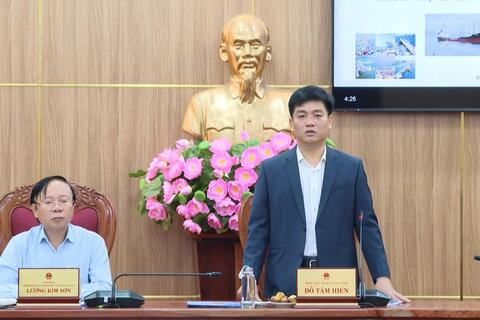
QUẢNG NGÃI — Vice Chairman of the Provincial People’s Committee Trần Phước Hiền on Thursday afternoon (November 27) chaired a meeting to review and provide guidance on the management and development of industrial clusters across the province.
According to the Department of Industry and Trade, the province currently has 31 State-funded industrial clusters (ICs) covering more than 800ha following administrative restructuring.
Of these, 23 ICs have been put into operation — 15 in the eastern region and eight in the western region. In addition, two privately invested ICs with a total area of 74ha are under development.
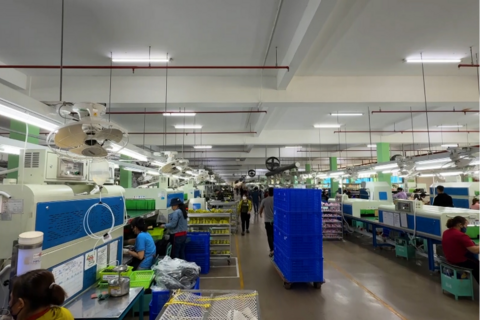
The operational ICs have attracted 139 projects and 388 production and business facilities, achieving an average occupancy rate of 68.5 per cent and creating employment for about 6,000 workers.
Under the province’s new two-tier local government model, commune-level People’s Committees are now responsible for State management in the field of IC development and oversight.
For ICs spanning more than one commune, the Department of Industry and Trade proposed assigning management to the locality with the larger IC area and better infrastructure, while neighbouring localities coordinate under a unified regulation.
Regarding infrastructure investment, the department recommended assigning commune-level Project and Public Service Management Boards to serve as investors where such boards have been established.
In localities without these boards, regional construction investment project management units would temporarily take on the role.
Once public service units are reorganised under Plan No. 62/KH-UBND dated October 20ᵗʰ 2025, the department will work with relevant agencies to advise the province on appropriate investor assignments.
.jpg)
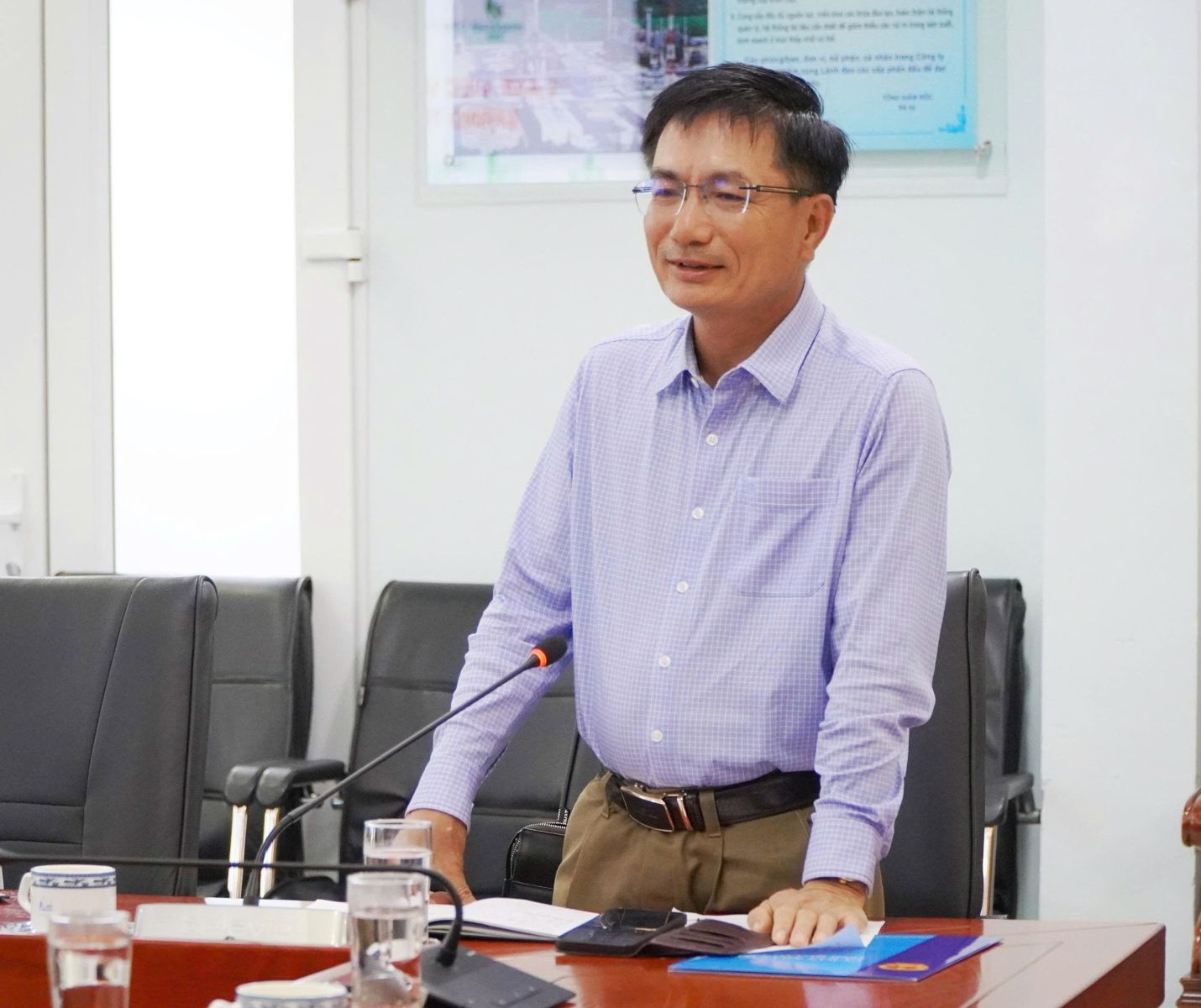
Speaking at the meeting, Vice Chairman Hiền requested commune-level People’s Committees tasked with IC management to fully perform their functions and responsibilities in accordance with laws governing industrial clusters.
Units assigned as infrastructure investors must carry out their mandated duties, continue unresolved tasks and follow directions from competent authorities during upcoming organisational restructuring.
The Department of Industry and Trade was instructed to guide, supervise and inspect the performance of localities and units in both State management and infrastructure investment.
The department must promptly consolidate difficulties and report to the Provincial People’s Committee for direction.
For IC projects already approved for investment policy, relevant departments and localities were urged to support investors in completing legal procedures and land allocation to enable early project implementation.
Projects facing obstacles must receive timely intervention to remove bottlenecks and allow completion and operation, contributing to local socio-economic development.
Regarding investment attraction, Vice Chairman Hiền stressed that localities must support businesses in accessing procedures and land in accordance with regulations, while giving priority to competent and committed investors who meet environmental standards.
M.H
.JPG)
.png)
.png)
.png)