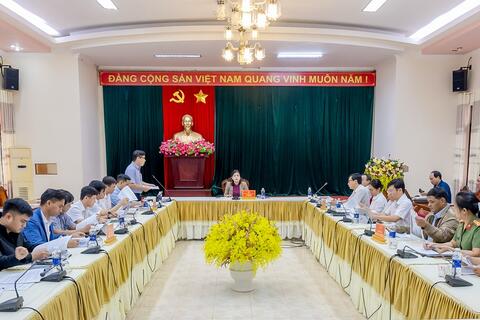


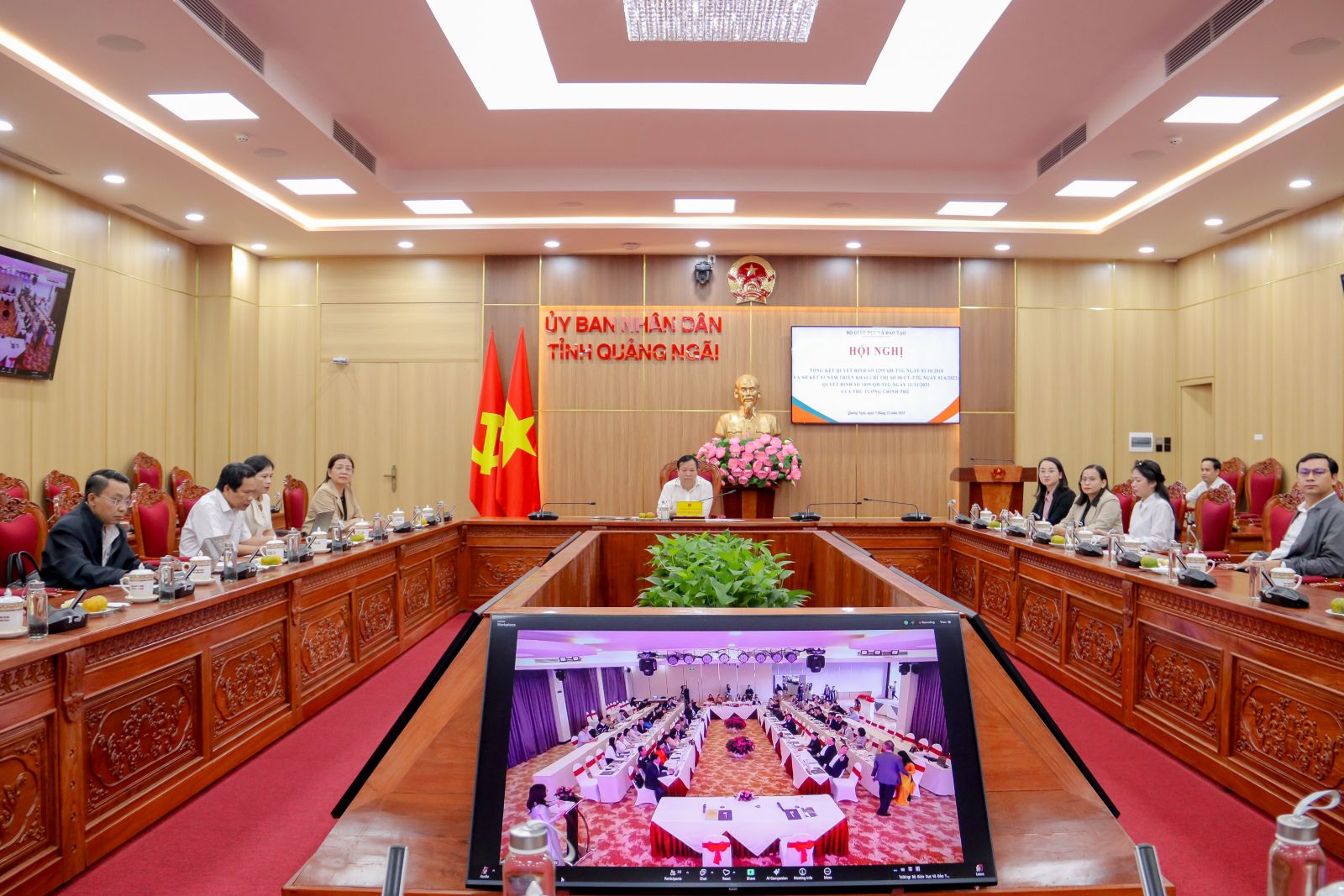
HÀ NỘI — The Ministry of Education and Training (MoET) on December 5ᵗʰ held a conference to review the implementation of key programmes on building school culture, including the Prime Minister’s Decision No. 1299/QĐ-TTg approving the project on developing behavioural culture in schools for the 2018–2025 period. The event was chaired by Deputy Minister Lê Quân.
According to MoET, the Prime Minister’s Decision No. 1299/QĐ-TTg dated October 3ʳᵈ 2018, Directive No. 08/CT-TTg dated June 1ˢᵗ 2022 on strengthening school culture development, and Decision No. 1895/QĐ-TTg dated November 11ᵗʰ 2021 approving the programme on fostering revolutionary ideals, ethics, lifestyles and inspiring dedication among children and youth for 2021–2030 have provided a comprehensive foundation and guidance for the education sector.
After eight years of implementing Decision 1299 and three years of implementing Directive 08, behavioural culture and school culture development have seen clear and positive progress nationwide.
All schools have issued and enforced their own codes of conduct in accordance with MoET guidelines, adapted to local conditions.
Communication efforts have expanded, while positive models such as “Happy School,” “Civic Week,” and “Building Beautiful Friendships – Say No to School Violence” have been widely maintained, helping create safe, humane and civil educational environments.
All administrators, teachers, staff, pupils and students have received communication and training on behavioural culture and cultural environments at school, at home and in the community.
Psychological counselling services in schools have been strengthened, alongside enhanced coordination between families, schools and society in moral education and lifestyle development.
Localities have promptly issued plans and guidance to implement Directive 08, clearly assigning responsibilities and establishing regular reporting mechanisms.
Implementation has become systematic and aligned with national programmes, contributing to improvements in behavioural standards and school culture. Capacity-building programmes for managers, teachers and youth organisation cadres have also been prioritised.
In addition, the implementation of Decision No. 1895/QĐ-TTg has produced significant and comprehensive results. Education on revolutionary ideals, ethics, lifestyle and nurturing the aspiration to contribute among young people has achieved notable progress, helping develop a generation with strong intellect, character, ideals and dedication.
During the conference, representatives of localities and educational institutions presented reports focusing on building school culture in the context of digital transformation and international integration. They emphasised the need to build behavioural culture among students; develop behaviour-based education models in universities; promote digital school culture; strengthen traditional and local cultural education; and highlight the role of teachers in guiding appropriate behaviour among students.
In his concluding remarks, Deputy Minister Lê Quân commended the efforts of the education sector, educational institutions, administrators, teachers and students in implementing Decision 1299, Directive 08 and Decision 1895.
He stressed that school culture development is not only the responsibility of the education sector but also of society as a whole, requiring consistent and coordinated participation.
He urged continued communication efforts to raise awareness among educational managers and teachers about the significance of school culture, ethics and lifestyle education for students.
He also requested ministries, sectors and localities to review and adjust plans and responsibilities after recent administrative reorganisations, ensuring alignment with annual school tasks, the general education curriculum and youth development strategies, while maintaining effectiveness, consistency and sustainability.
M.H
.png)
.png)