

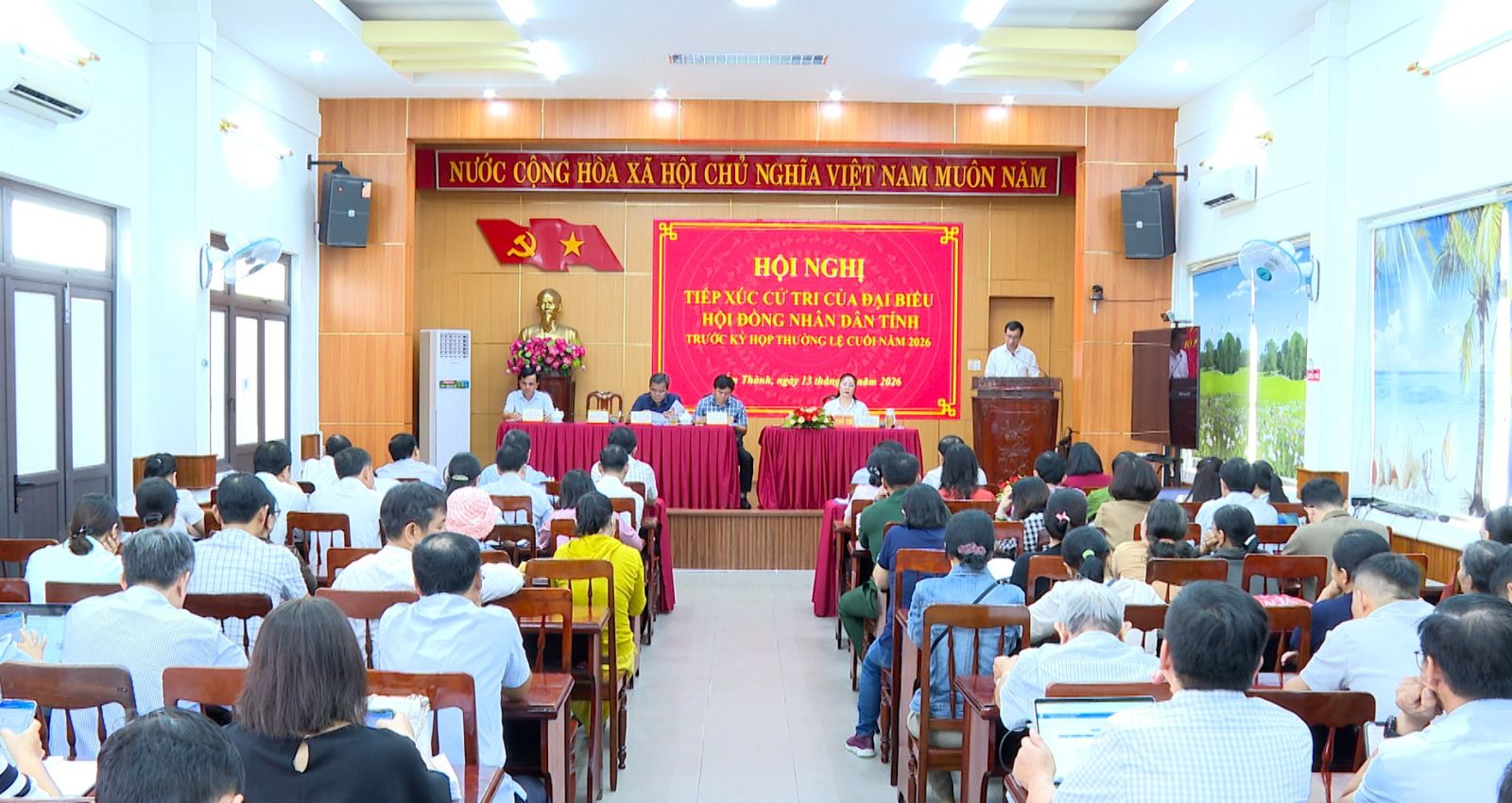
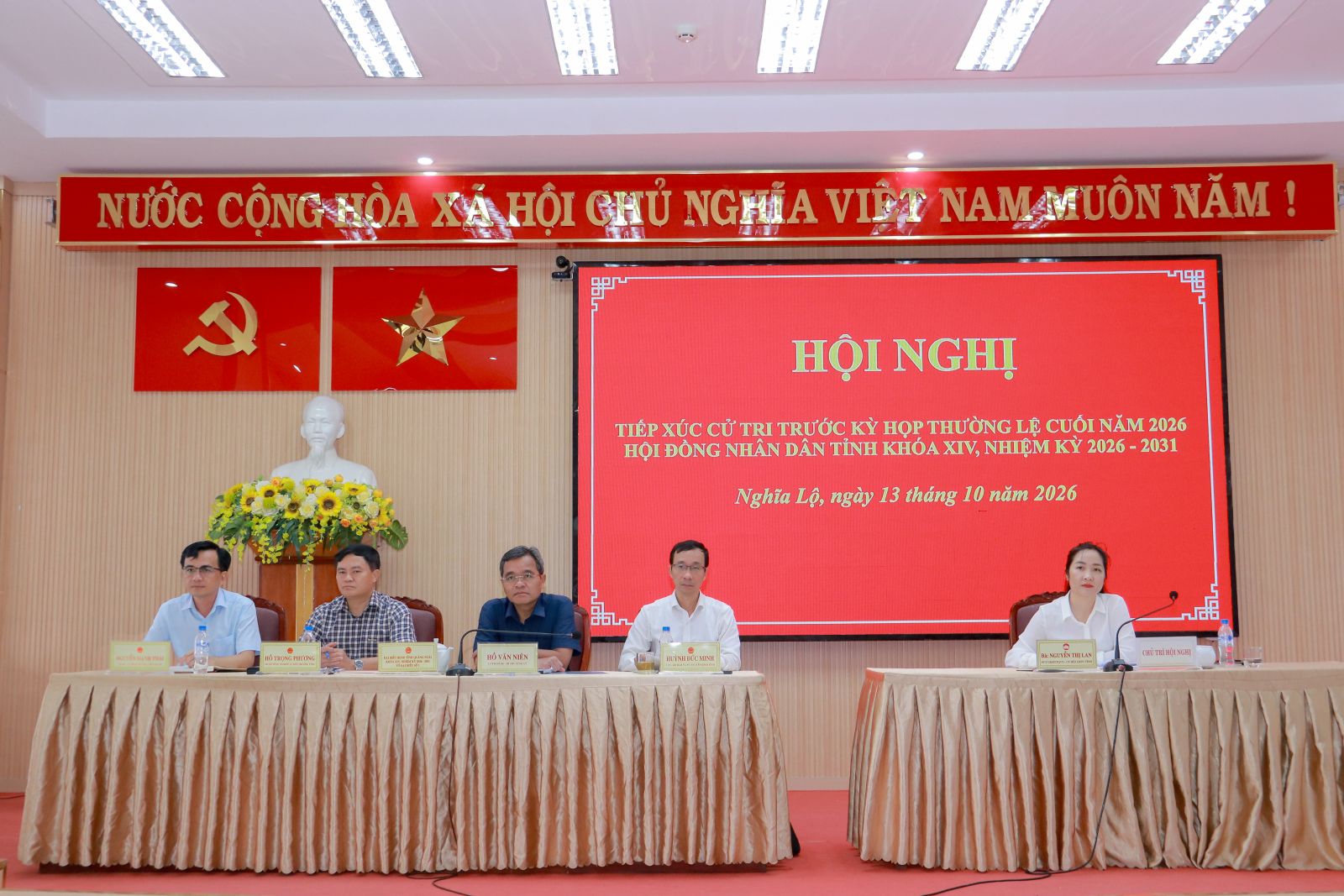
Scenes from the voter outreach event in Cẩm Thành ward
Quảng Ngãi– A delegation of the Quảng Ngãi Provincial People’s Council met with voters in Cẩm Thành Ward on October 13 ahead of the council’s year-end session.
The delegation was led by Member of the Party Central Committee and Secretary of the Quảng Ngãi Provincial Party Committee, Hồ Văn Niên.
At the meeting, the delegation briefed voters on the province’s socio-economic performance over the first nine months of 2026, the council’s activities, and plans for its year-end session.
Voters were also informed of the progress in addressing petitions raised at previous meetings.
They welcomed the province’s socio-economic achievements and acknowledged efforts by local authorities to address public concerns.
They also raised issues involving land-use right certificates, land-related disputes, transport infrastructure, public facilities and urban improvement.
Other concerns included policies for former residential-area officials following administrative restructuring, the management of surplus public buildings and land, and improvements in healthcare services.
.jpg)
Provincial Party Secretary Hồ Văn Niên delivers the concluding remarks.
Concluding the meeting, Niên acknowledged the voters’ concerns and called on local authorities and relevant agencies to review each petition and take concrete action within their respective mandates.
He instructed Cẩm Thành Ward authorities to thoroughly review land-related cases carefully, work directly with concerned residents and clearly identify solutions, responsibilities and deadlines.
Issues beyond the ward’s authority should be referred to provincial agencies for consideration.
Regarding policies for grassroots officials and the handling of surplus public property following administrative restructuring, Niên said the province was taking steps to finalise relevant policies and implement appropriate arrangements for unused public buildings and land.
He also called on healthcare facilities to improve service quality and prioritise emergency patients, ensuring that administrative procedures do not delay urgent medical treatment.
The delegation and relevant agencies were asked to follow up on voters’ petitions, monitor progress and provide clear explanations for issues that could not be resolved immediately.
M.H
.png)