


_(2)(4).jpg)
HÀ NỘI — Prime Minister Phạm Minh Chính on December 17 chaired the fourth meeting of the Central Steering Committee on housing policy and real estate market development.
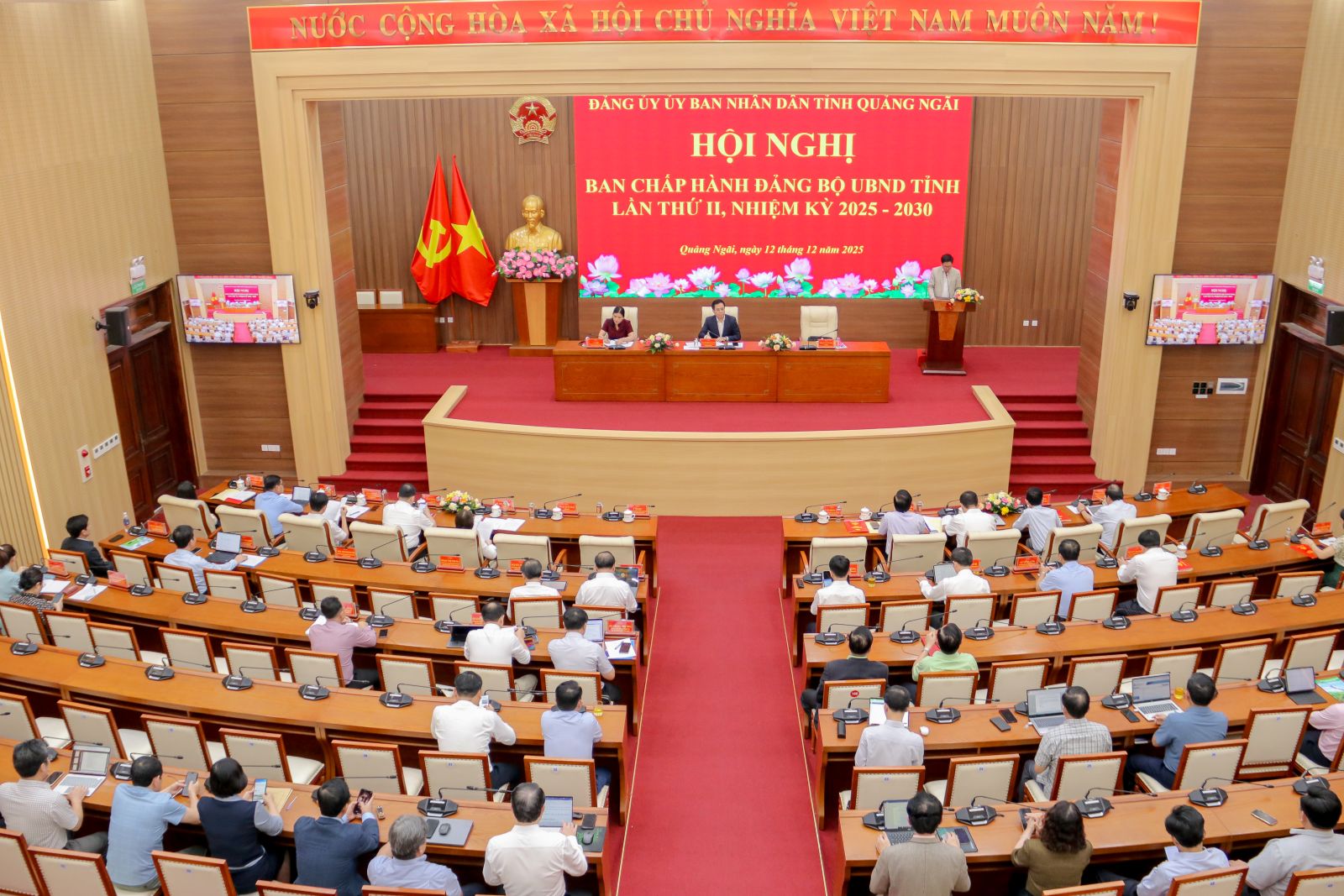
Vice Chairman of the Quảng Ngãi Provincial People’s Committee Nguyễn Công Hoàng presided over the meeting at the Quảng Ngãi online venue.
Since early 2025, the Government and the Prime Minister have proactively directed the implementation of multiple measures to promote social housing development, aiming to ensure social welfare, rebalance supply and demand, stabilise the real estate market and maintain macroeconomic stability.
Recently issued legal and policy frameworks have had a strong impact on the real estate and housing markets, with several reforms expected to create new space for market development while addressing existing difficulties.
According to the Ministry of Construction, from 2022 to date, the real estate market has gradually recovered, with annual transactions ranging from about 537,000 to 785,000 across different segments.
Housing, land plots and other real estate types have shown a year-on-year upward price trend, with average increases of around 10–15 per cent annually for apartments, townhouses, villas and land plots.
Regarding social housing, nationwide there are currently 698 projects underway, providing some 657,441 units. Of these, 193 projects have been completed, delivering 169,143 units. In 2025 alone, 102,388 social housing units were completed nationwide, reaching 102 per cent of the annual target.
Quảng Ngãi Province has been assigned a target of completing 8,500 social housing units by 2030. In 2025, the province completed and put into use 268 units, equivalent to 112 per cent of the assigned target.
Construction has also begun on a social housing project in Đăk Cấm Ward with about 96 units, and the HUD–Phú Mỹ social housing project in Cẩm Thành Ward and Nghĩa Phú Commune, with a scale of 296 units.
The province has planned 29 sites for social housing development, covering a total area of more than 358 hectares.
In addition, around 84 hectares of land have been reserved for social housing in residential and urban projects, in line with the requirement to allocate 20 per cent of land for this purpose.
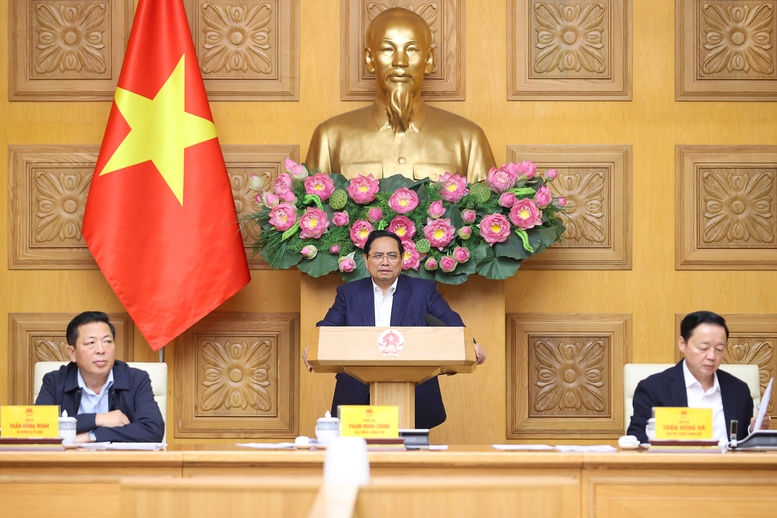
Concluding the meeting, Prime Minister Phạm Minh Chính requested the Ministry of Construction to lead and guide localities in building and publicly disclosing housing and real estate databases. This must be completed by the first quarter of 2026.
He also called for continued review and removal of institutional bottlenecks, including more flexible policies on purchasing, renting and lease-purchase of social housing for both residents and businesses.
The Prime Minister stressed the need to develop a healthy, stable and sustainable real estate market; ensure transparent allocation of land and material resources; promote industrial real estate; diversify capital sources such as credit, bonds, foreign direct investment and public–private partnerships; and control real estate prices starting from input costs.
He also urged the establishment of state-run real estate and land-use rights trading centres, stronger digital transformation to enhance transparency, and closer coordination between the State and enterprises to address inventory issues through shared benefits and risks.
Localities were asked to intensify implementation of social housing projects, strictly comply with regulations on land allocation for worker accommodation and social housing, adjust planning where necessary, and ensure that social housing projects are equipped with adequate essential infrastructure.
The Prime Minister expressed his hope that major enterprises would continue to uphold social responsibility by actively participating in social housing development, contributing to a stable and sustainable real estate market in the spirit of “Party leadership, State facilitation, enterprise pioneering, public–private partnership, national development and people’s happiness.”
M.H

.png)
.png)

.png)

.png)