

On August 25, the Department of Education and Training held a conference to review the 2025-2026 school year, outline key tasks and solutions for 2026-2027, and review one year of implementing Politburo Resolution No. 71-NQ/TW on breakthrough development in education and training.
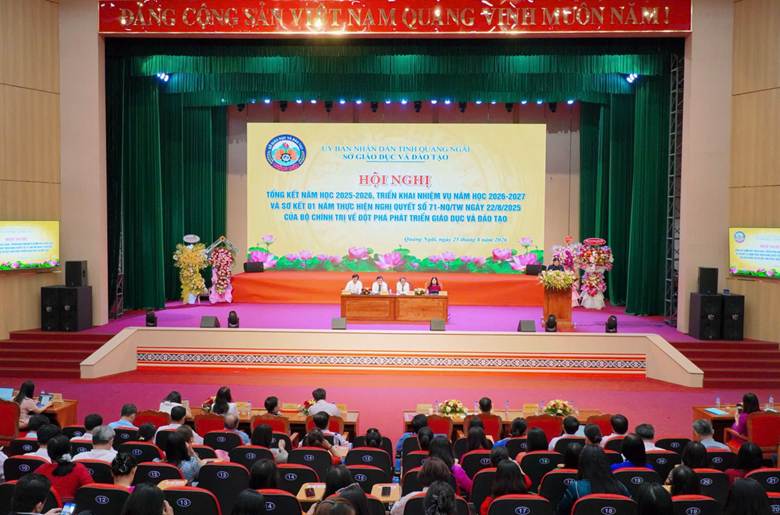
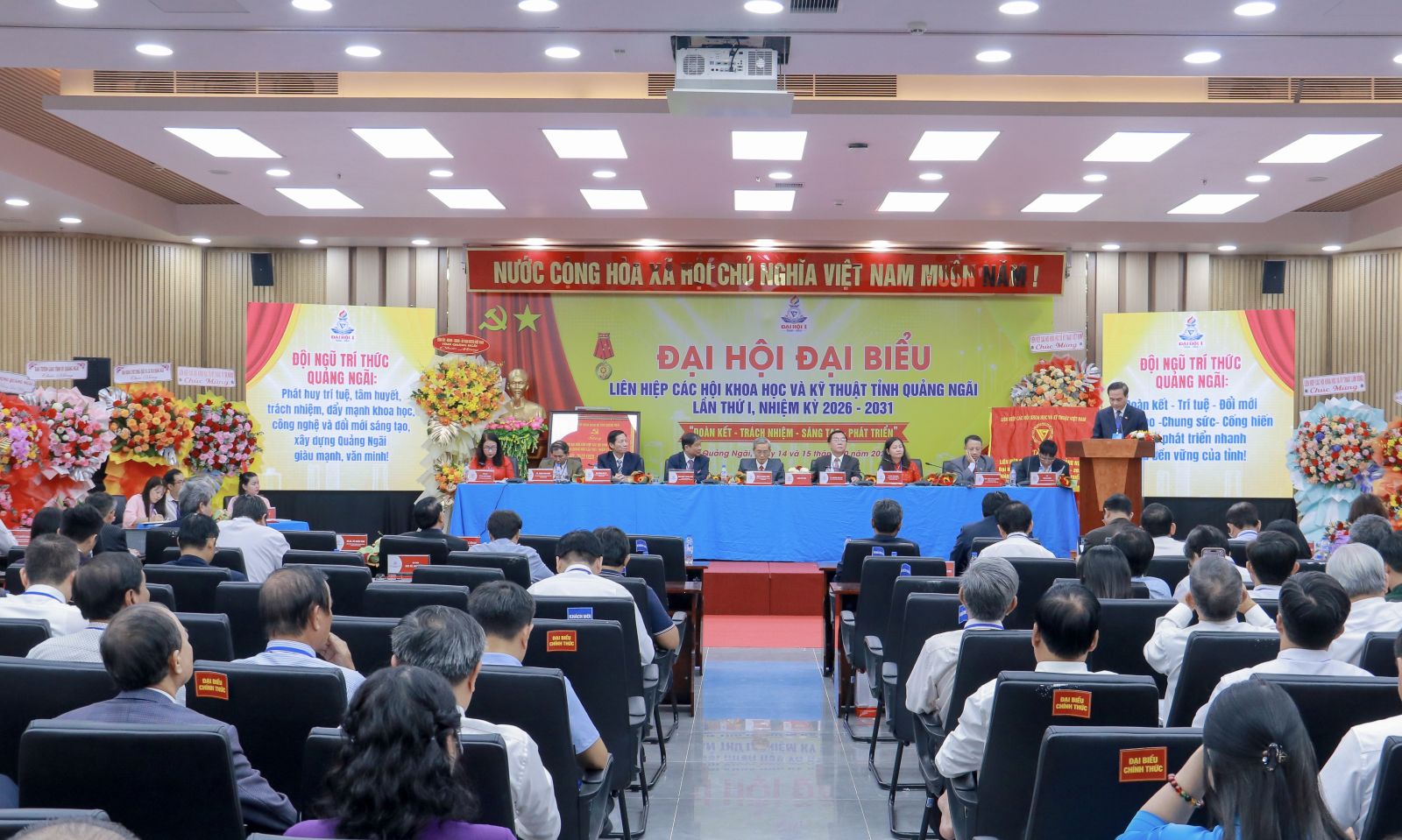
Scene of the conference
According to Director of the Department of Education and Training Nguyễn Ngọc Thái, Quảng Ngãi currently has 929 schools, with approximately 481,179 students and learners and 32,248 education managers, teachers and staff.
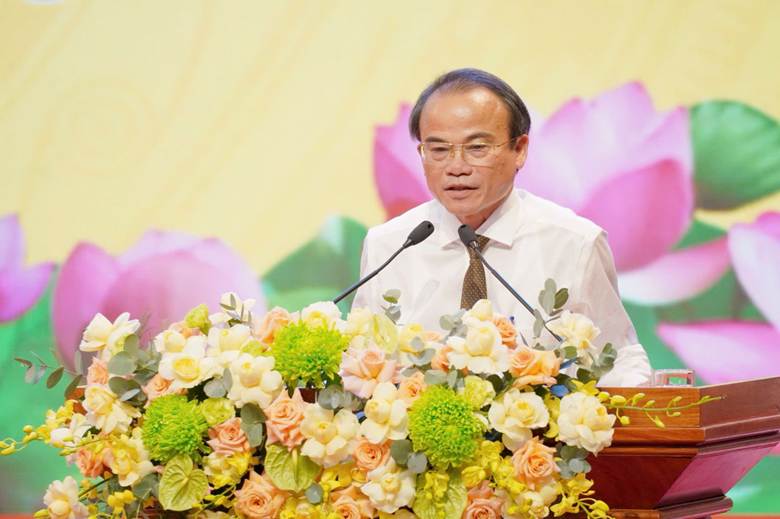
Director of the Department of Education and Training Nguyễn Ngọc Thái delivers a report at the conference
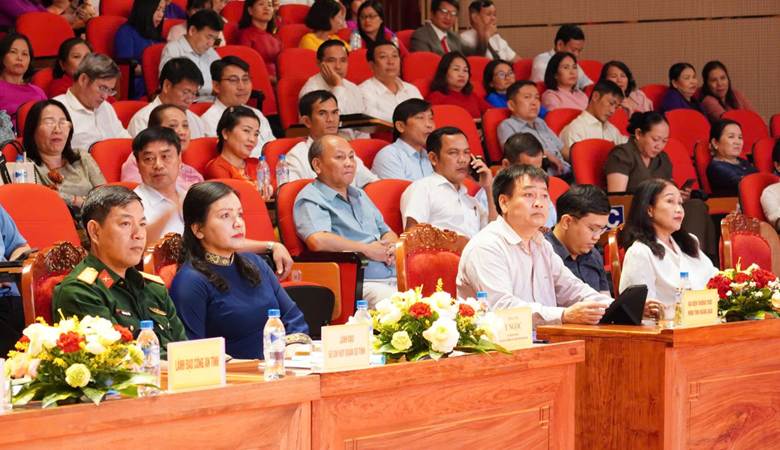
Delegates attend the conference
Education quality continued to improve, with the 2026 high school graduation rate reaching 97.9 per cent, ranking 16th among 34 provinces and cities, up four places from 2025. At the National Excellent Student Competition, 72 out of 180 Quảng Ngãi contestants won prizes.
The province also continued to invest in school facilities, particularly in ethnic minority, mountainous and border areas. Nine schools are being developed in border communes, with four Phase-1 projects approved and a total allocated budget of VNĐ872.245 billion.
For the 2026-2027 school year, the education sector will focus on improving comprehensive education quality, developing teachers and education managers, accelerating school construction in border communes, and prioritizing facilities for disadvantaged areas.
The sector will also strengthen career guidance, align training with labor market needs, promote lifelong learning and accelerate digital transformation, including shared digital learning resources, electronic school records and digital signatures.
Speaking at the conference, Standing Vice Chairwoman Y Ngọc praised the education sector’s achievements while highlighting challenges such as disparities in education quality, localized teacher shortages and the need for more substantive improvements.
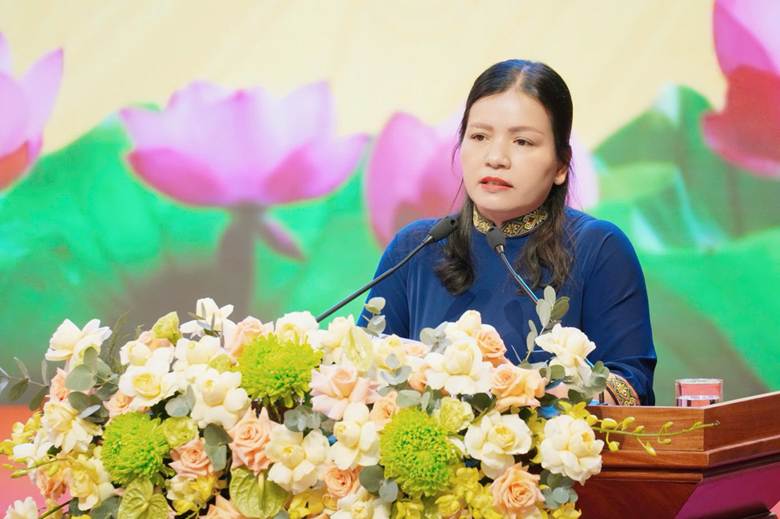
Standing Vice Chairwoman Y Ngọc speaks at the conference
She asked the sector to focus on six key areas: ensuring teaching and learning conditions; developing the teaching workforce; improving comprehensive education quality; promoting digital transformation, foreign languages, STEM/STEAM and AI; aligning education with socio-economic development needs; and building a safe, disciplined and humane educational environment.
Emphasizing that education is the responsibility of the entire political system, Y Ngọc called for the implementation of the “six clear” principle: clear people, clear tasks, clear responsibilities, clear authority, clear timelines and clear results, with students at the center and quality as the key measure of success.
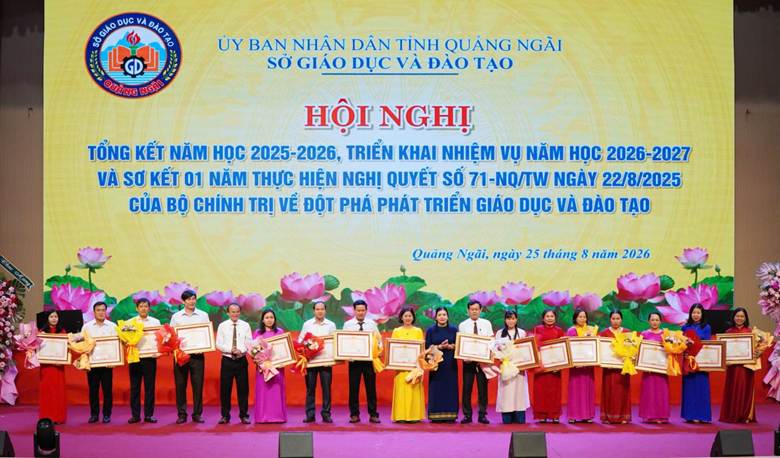
Outstanding education managers and teachers receive Prime Minister’s Certificates of Merit
On this occasion, the Provincial People’s Committee presented Prime Minister’s Certificates of Merit to 54 outstanding education managers and teachers and commended organizations and individuals for their outstanding achievements in education and training.
Minh Thiện


.png)