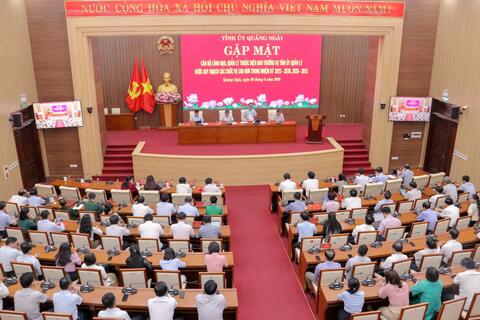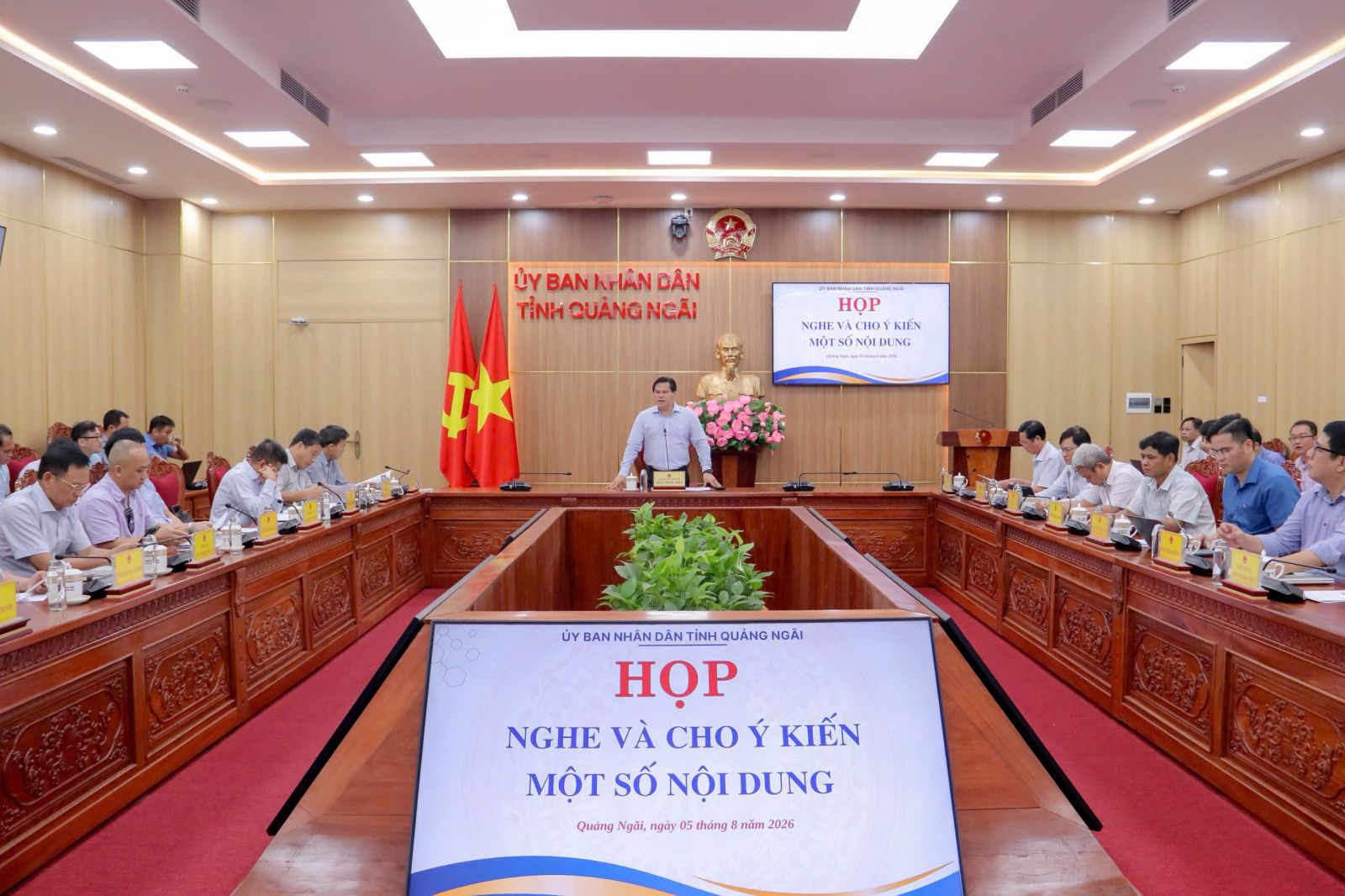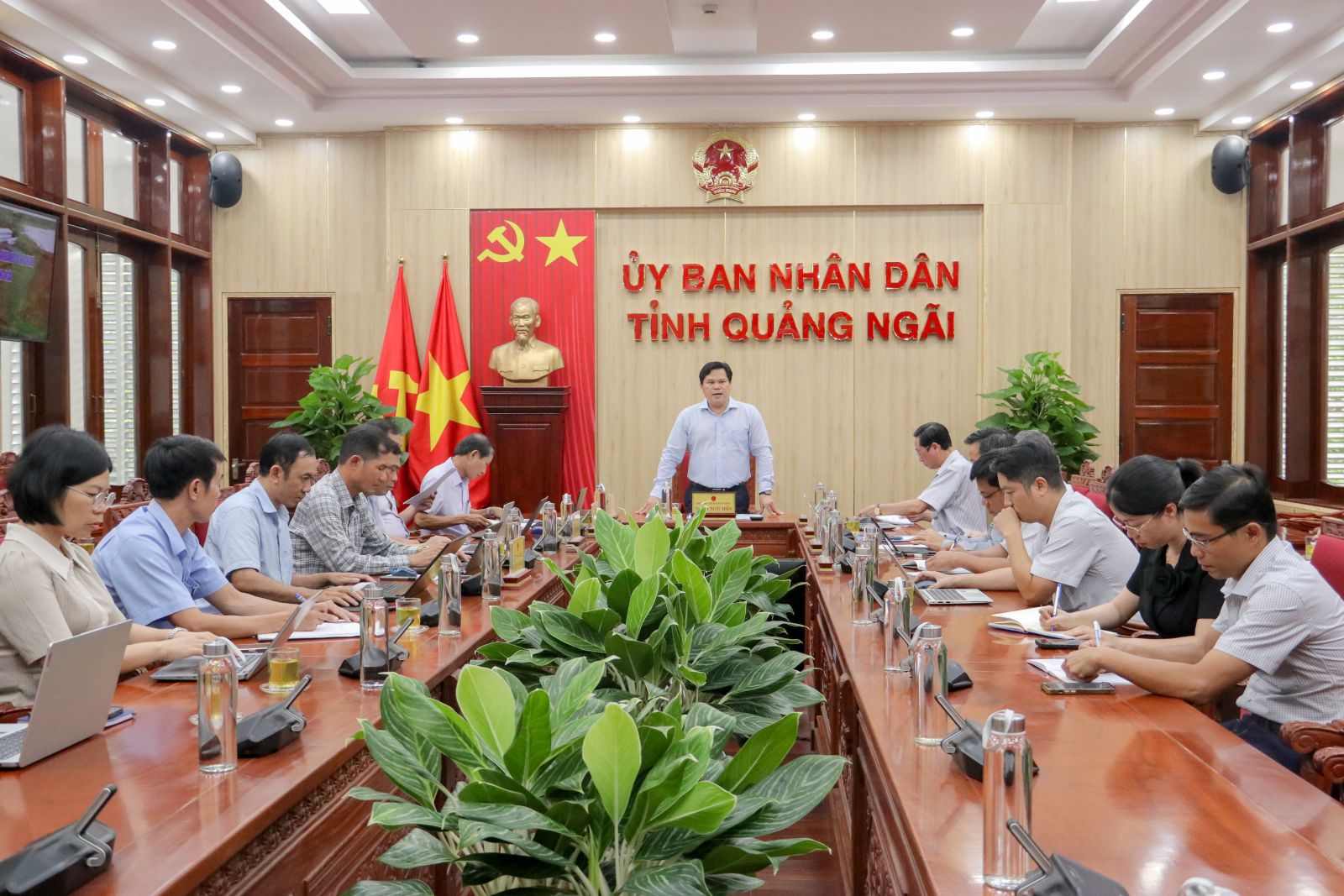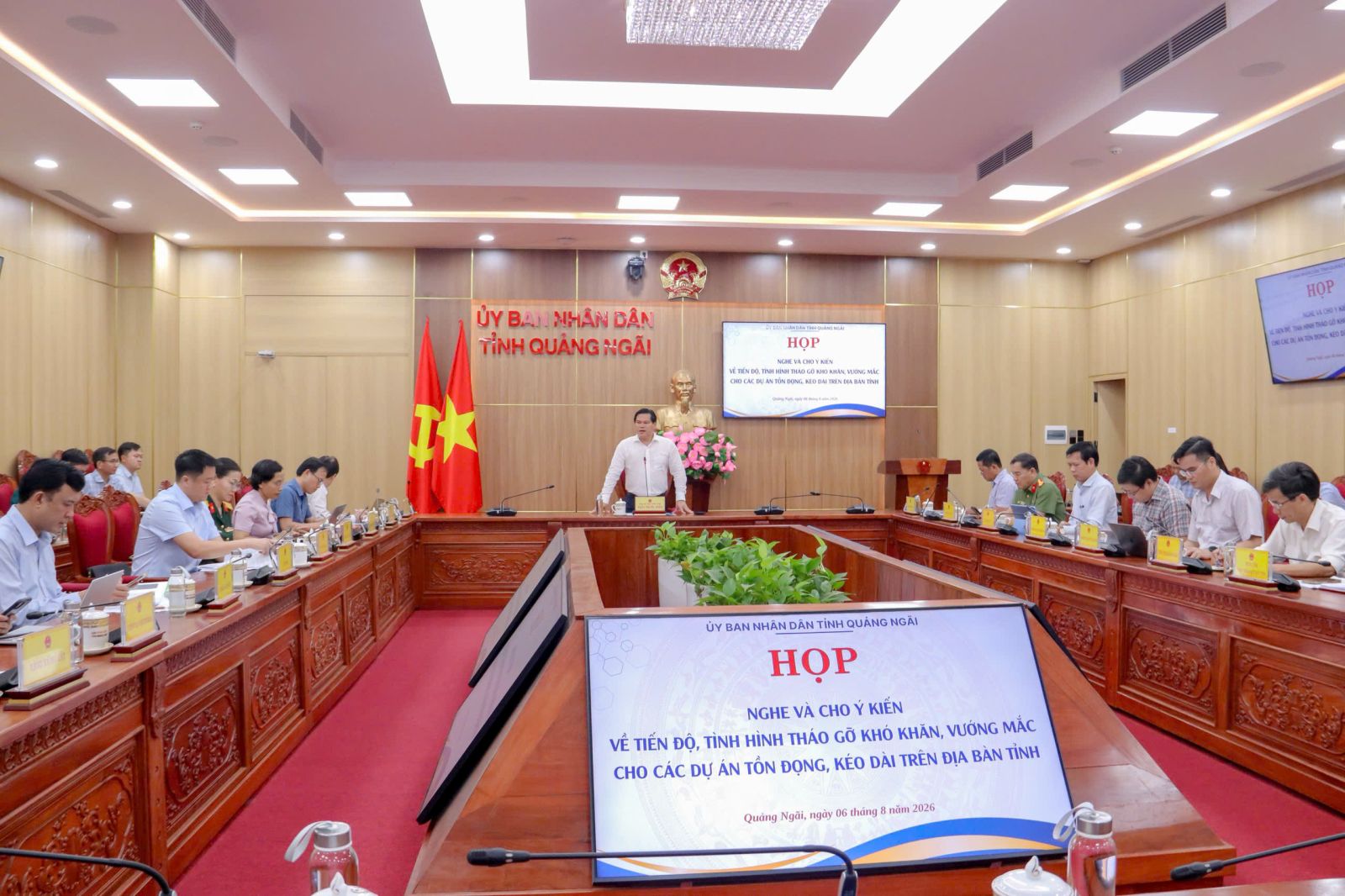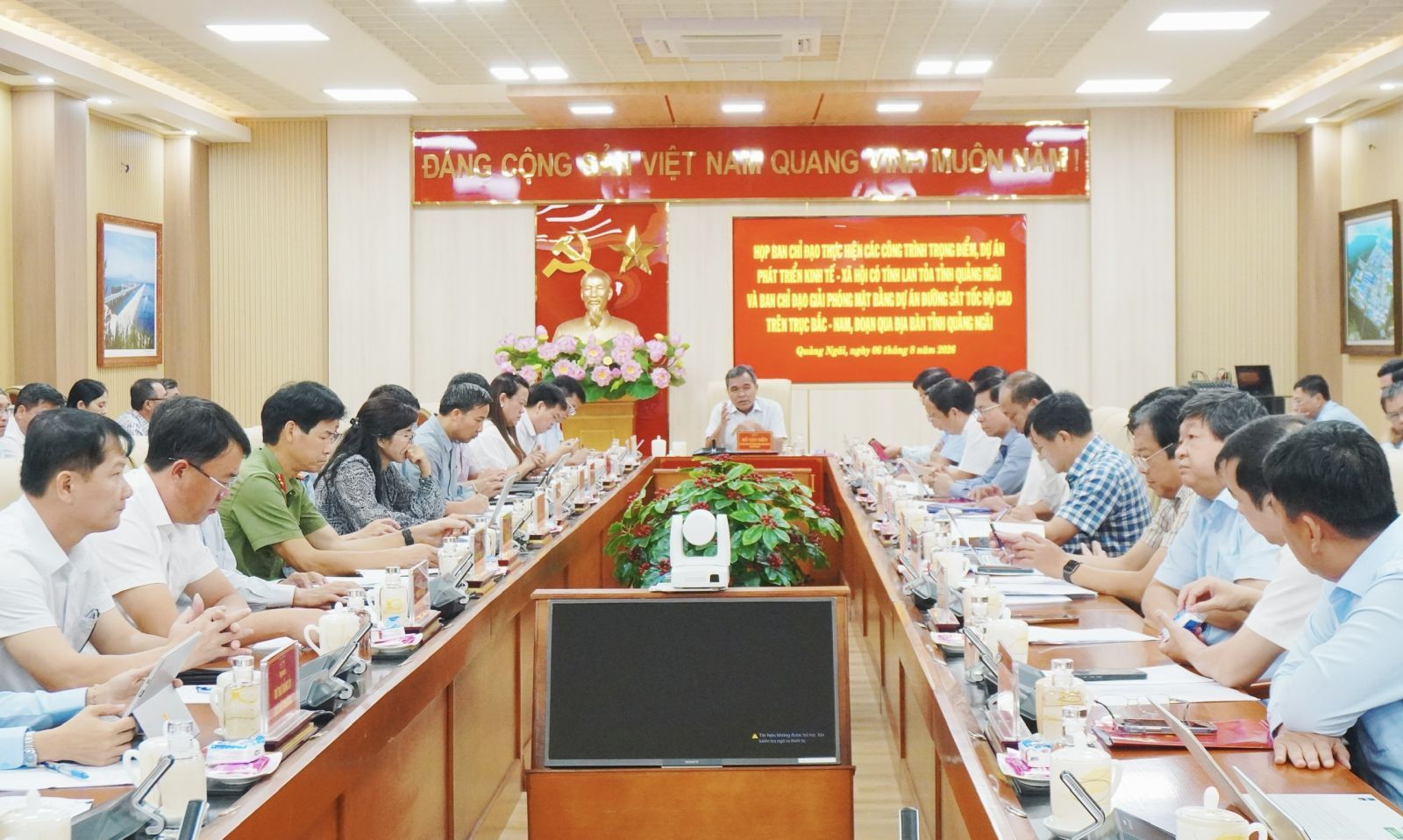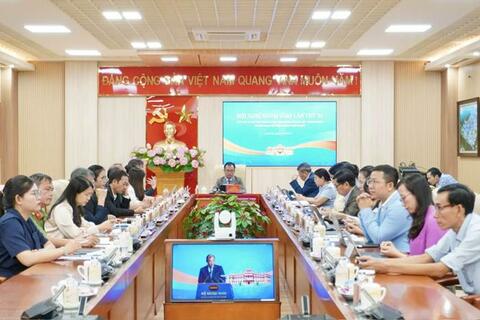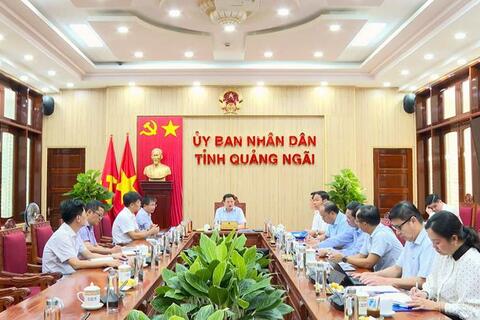


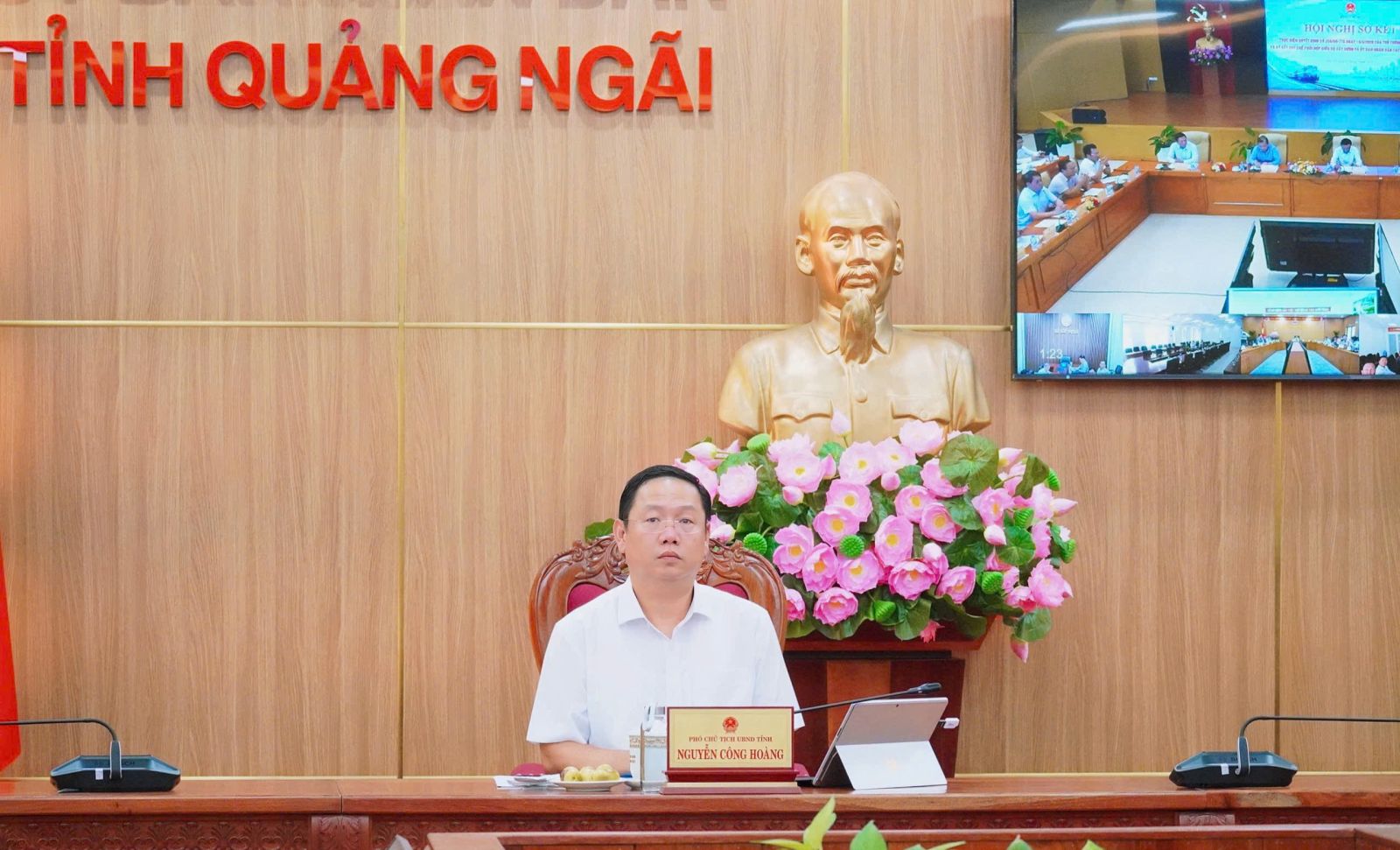
Vice Chairman of the Provincial People's Committee Nguyễn Công Hoàng chairs the conference.
QUẢNG NGÃI — Quảng Ngãi Province has made significant progress in improving railway traffic safety and eliminating illegal crossings under a national plan approved by the Prime Minister, officials heard at a nationwide online conference on July 29.
The conference, organised by the Ministry of Construction (MoC), reviewed the implementation of Prime Minister's Decision No. 358/QĐ-TTg, issued on March 10, 2020, which aims to ensure order within railway safety corridors and permanently eliminate unauthorized crossings.
The event was chaired at the Quảng Ngãi venue by Vice Chairman of the Provincial People’s Committee Nguyễn Công Hoàng.
According to the MoC, more than six years of implementing the decision have brought positive results nationwide.
Railway safety corridors have been largely secured, while unauthorized crossings have gradually been removed without the emergence of new ones.
Railway traffic accidents have continued to decline, with no exceptionally serious accidents reported during the period.
Local authorities have strengthened coordination with the railway sector and police to improve railway safety, increase inspections and enforcement, and raise public awareness of railway traffic regulations, particularly in communities along railway lines.
Across the country, 1,842 of the 4,024 identified dangerous unauthorized crossings have been removed, achieving nearly 46 per cent of the target set under the Prime Minister’s decision.
Safety measures, including warning signs, narrowed crossings and traffic guards, have been introduced at most of the remaining locations.
In Quảng Ngãi, the North–South Railway runs for nearly 100 kilometres through the province.
The route currently includes 42 legal level crossings and 23 remaining unauthorized crossings.
Between 2021 and 2025, the province eliminated 65 unauthorized crossings, equivalent to about 74 per cent of the original total.
Two former unauthorized crossings were upgraded into legal level crossings equipped with automatic warning and barrier systems.
The remaining crossings have been fitted with warning signs, flashing lights and other safety measures in accordance with regulations.
The provincial authorities have also intensified inspections of railway safety corridors, addressed violations, monitored high-risk locations and promoted public awareness campaigns on railway traffic safety.
.png)
To further implement the scheme, the MoC called on ministries, sectors and localities to strengthen coordination and accelerate investment in level crossings, underpasses and overpasses to replace unauthorized crossings.
The MoC also urged the Government to prioritise funding for railway safety infrastructure and improve policies related to land clearance, compensation and protection of railway corridors.
The MoC also requested provinces and cities with railway lines to develop comprehensive plans to eliminate remaining unauthorized crossings, maintain safety monitoring at high-risk locations and ensure organisations managing railway crossings fully comply with safety regulations.
At the conference, the Ministry of Construction and provincial authorities signed a coordination regulation on ensuring traffic safety at road-rail intersections on the national railway network and protecting railway safety corridors.
M.H