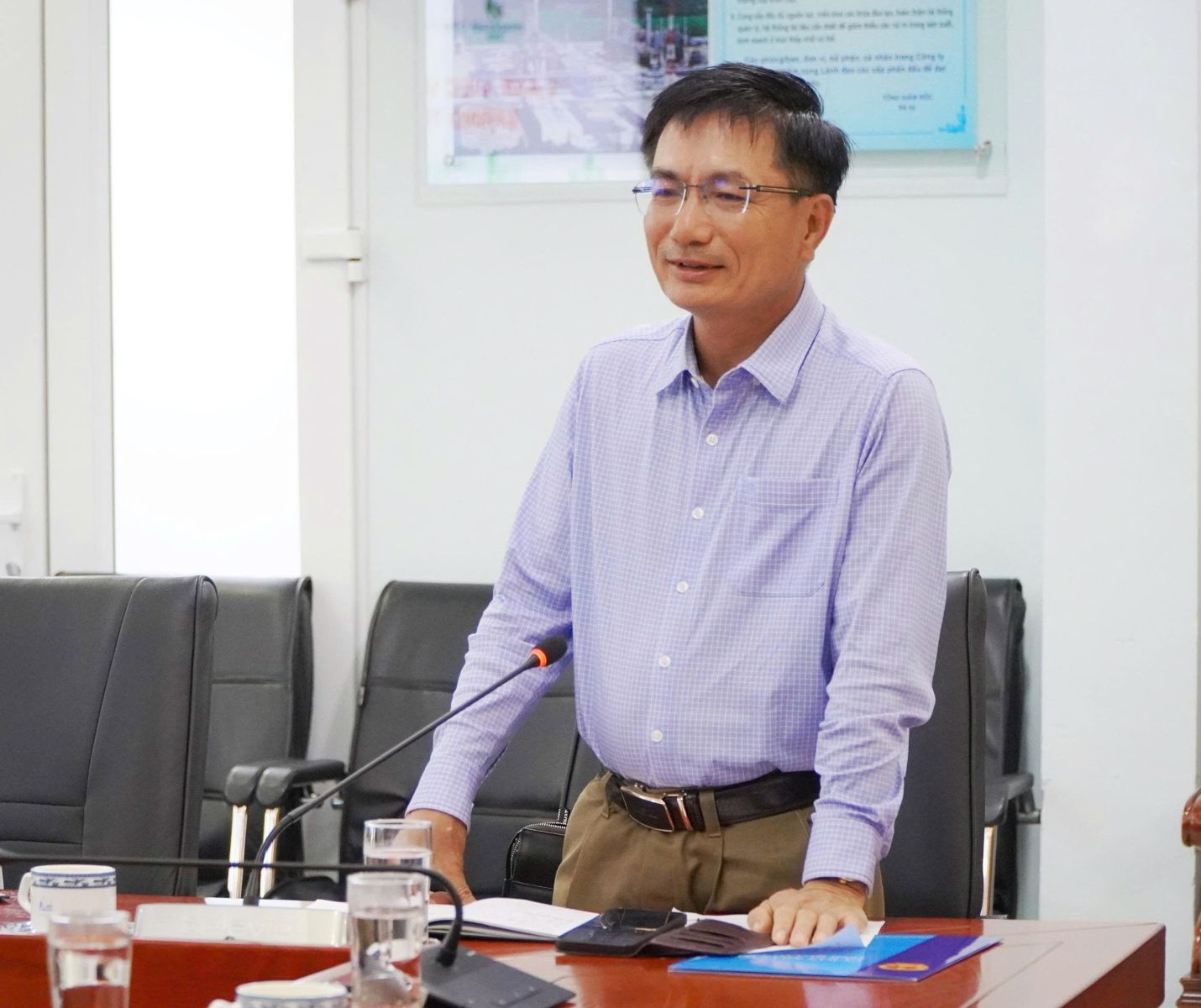


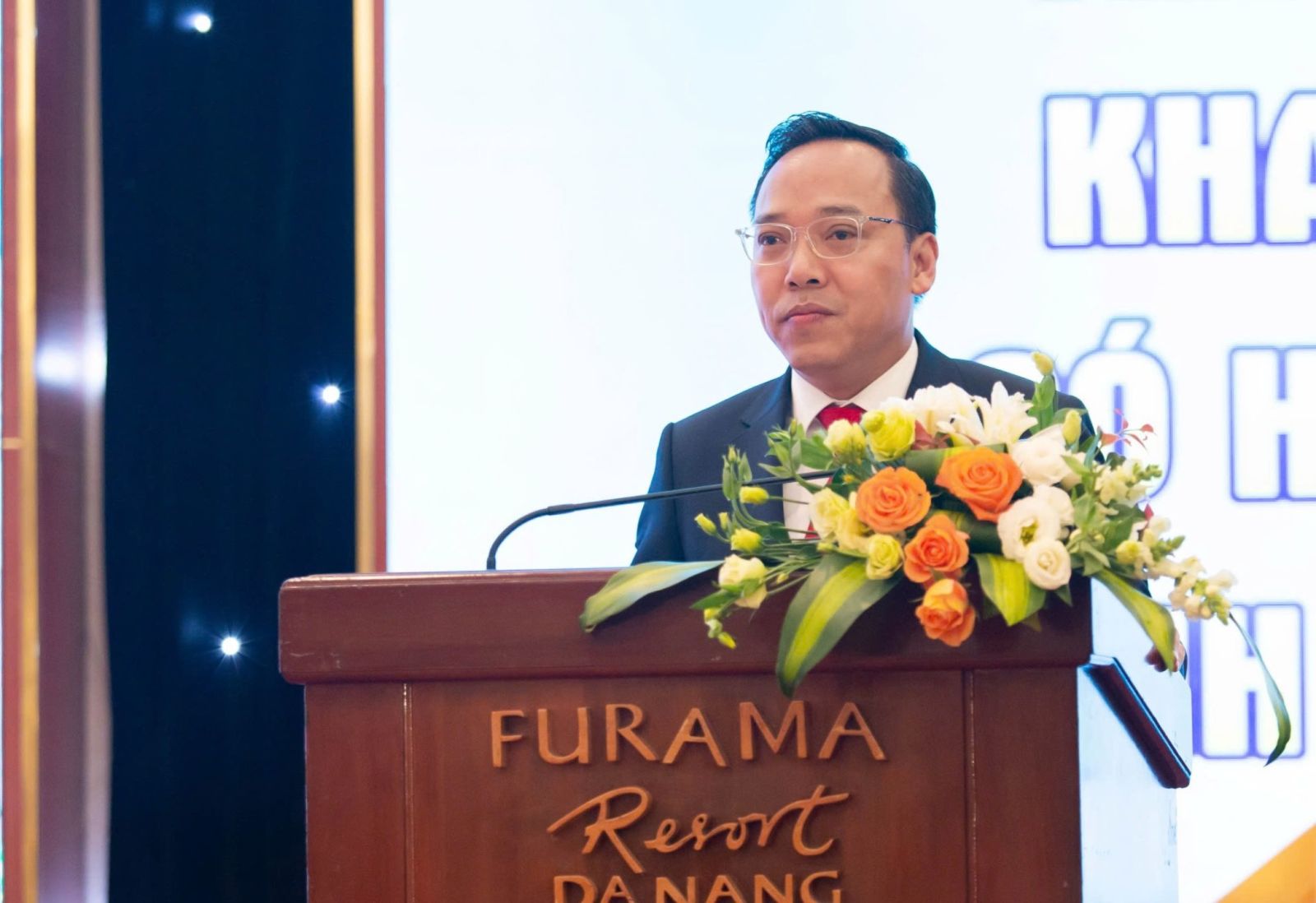
Deputy Minister of Industry and Trade Nguyễn Hoàng Long speaks at the conference
ĐÀ NẴNG — The 11ᵗʰ Central–Central Highlands Industry and Trade Conference opened in Đà Nẵng on December 5ᵗʰ, with Deputy Chairman of the Quảng Ngãi Provincial People’s Committee Trần Phước Hiền attending the event.
The conference was co-organised by the Ministry of Industry and Trade and the Đà Nẵng City People’s Committee.
According to the conference report, industrial and commercial activities across the 11 provinces and cities in the Central–Central Highlands region — comprising Thanh Hóa, Nghệ An, Hà Tĩnh, Quảng Trị, Huế, Đà Nẵng, Quảng Ngãi, Gia Lai, Đắk Lắk, Khánh Hòa and Lâm Đồng — continued to maintain stability and positive growth in 2025.
(2).jpg)
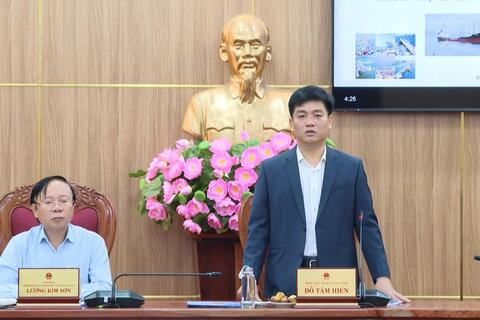
Vice Chairman of Quảng Ngãi Provincial People's Committee Trần Phước Hiền attended the conference
The region’s Index of Industrial Production (IIP) remained on an upward trajectory, with six of the 11 localities expected to record double-digit growth for the year: Nghệ An (17.5 per cent), Thanh Hóa (15 per cent), Quảng Ngãi (12.9 per cent), Huế (13.5 per cent), Đắk Lắk (12 per cent) and Gia Lai (10 per cent).
This performance surpasses the national average, underscoring the strong recovery of the region’s industrial sector.
Trade and services also posted robust growth, contributing significantly to the region’s overall economic expansion.
Total retail sales of goods and service revenue are projected to reach VNĐ1.7 quadrillion in 2025, accounting for 23.9 per cent of national turnover and marking a 12.3 per cent increase compared to 2024.
Export activities continued to show positive momentum as businesses diversified products and markets.
Total regional exports are estimated at over US$34.5 billion in 2025, with imports exceeding US$34.2 billion, resulting in a trade surplus of US$245 million — a bright spot in the national trade landscape.
.jpg)
In 2026, provinces and cities in the Central–Central Highlands region will continue accelerating economic, trade and investment restructuring to adapt effectively to emerging national, regional and global contexts.
The region aims to maintain industrial growth higher than the national average, targeting an IIP increase above 10 per cent.
To meet these goals, the regional Industry and Trade sector will focus on several priority tasks:
Localities will review provincial master plans for the 2021–2030 period, coordinate on national sectoral plans, and prepare implementation plans for the 2025–2030 Party Congress resolutions and the 2026–2030 socio-economic development strategy.
Provinces will accelerate key projects, complete proposals and policy frameworks on schedule, and effectively enforce Government decrees on supporting industries and industrial cluster development.
Efforts will centre on approving the 2025–2030 trade development plans, boosting domestic consumption, applying digital technologies, expanding e-commerce, and strengthening market surveillance and anti-smuggling.
Localities will enhance product quality, diversify markets, improve communication on trade policies and maximise the benefits of FTAs.
Authorities will review provincial power supply plans, implement the adjusted Power Development Plan VIII, and monitor progress on power generation and grid projects.
Delegates also emphasised the importance of building platforms that connect governments, businesses and investors, aiming to form inter-regional value chains and sustainable industry clusters — a key goal in enhancing the region’s competitiveness in the years ahead.
M.H


.JPG)
.png)
.png)