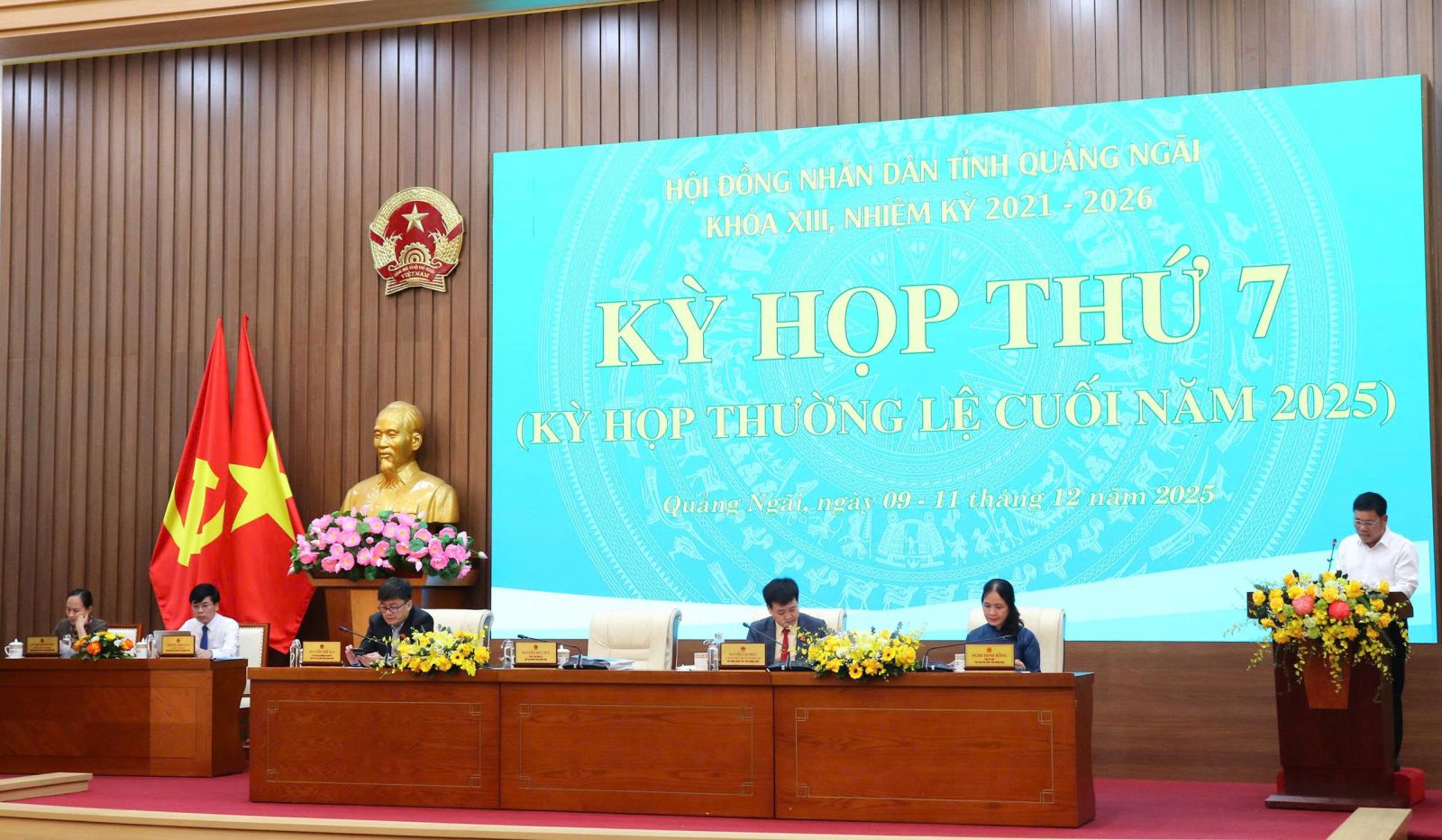


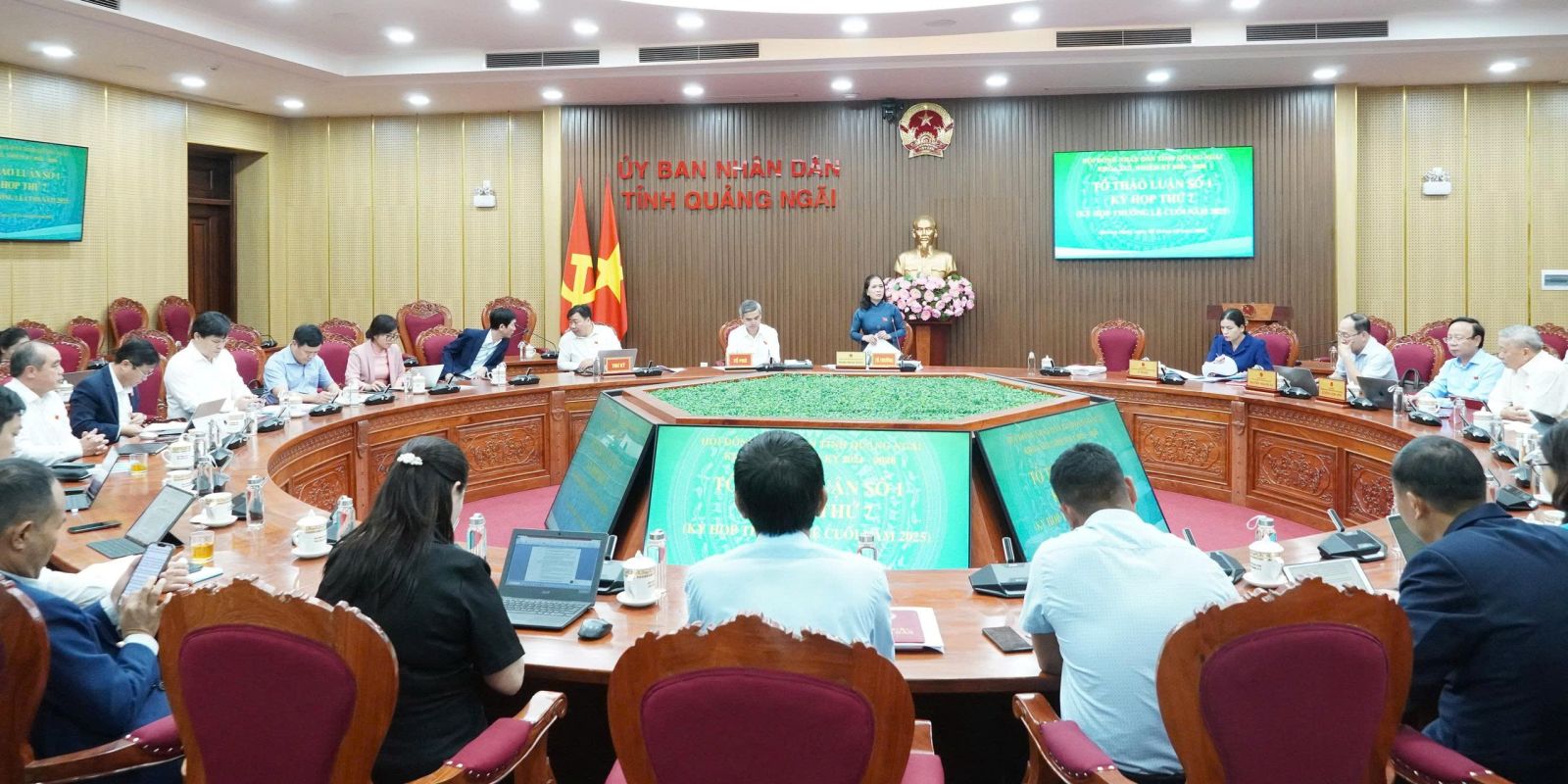
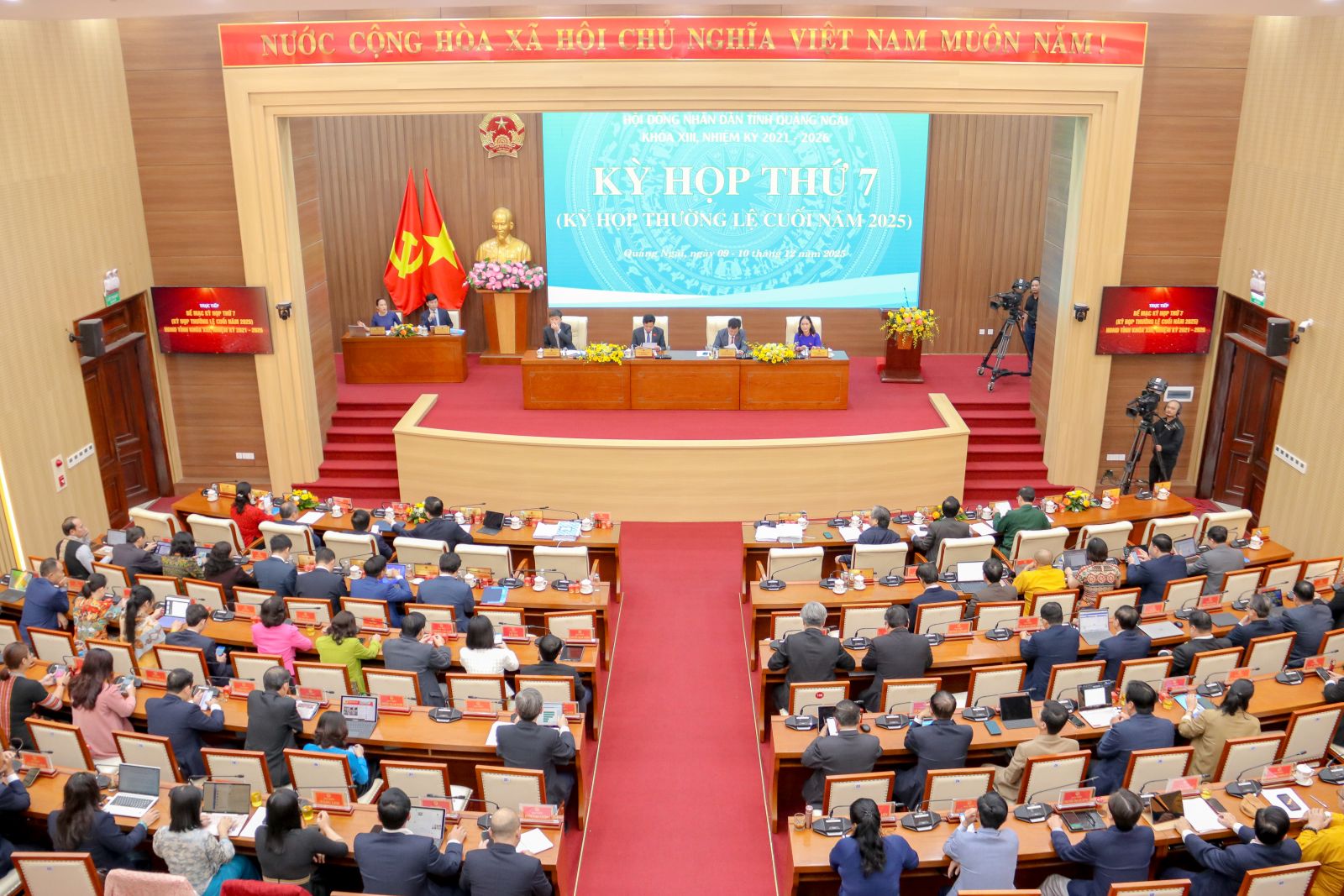
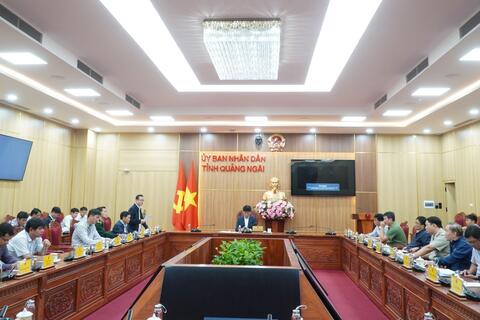
On the afternoon of December 9, the 7ᵗʰ session of the Provincial People’s Council (PPC), 2021–2026 tenure, held group discussions to assess the province’s socio-economic performance in 2025 and the 2021–2025 period, and to comment on targets and tasks for the 2026 plan and the 2026–2030 socio-economic development strategy.
A total of 79 delegates were divided into three discussion groups.

*Group 1, chaired by PPC Vice Chairwoman Nghe Minh Hồng, focused on socio-economic and defence-security outcomes in 2025 and breakthrough solutions for 2026.
Delegates noted that although public investment disbursement in 2025 outperformed the national average, it remained below expectations.
Many projects still required extensions for capital allocation, while long-standing obstacles—especially in land clearance and compensation—had yet to be resolved.
Delegates called for clearer analysis of root causes and concrete measures to expedite site preparation, particularly for new projects commencing in 2026 and subsequent years, to speed up disbursement and promote overall provincial growth.
Delegates also recommended prioritising resources for remote and disaster-prone areas; expanding social housing support through rental, purchase or preferential credit; and allocating suitable land funds to support civil servants relocating to the provincial centre.
Other issues raised included the land-price framework, industrial cluster development, and digital-infrastructure support for communes—especially border areas—to meet digital-transformation needs.
Speaking at the session, Vice Chairman of the Provincial People’s Committee Trần Phước Hiền emphasised the need to upgrade digital infrastructure and equipment as a prerequisite for digital transformation.
He requested the Department of Science and Technology to review needs and coordinate with relevant agencies to provide equipment support for communes, wards and key areas.
Vice Chairwoman Nghe Minh Hồng commended the delegates’ candid and constructive contributions, which forms an important foundation for the PPC to consider when adopting key resolutions.
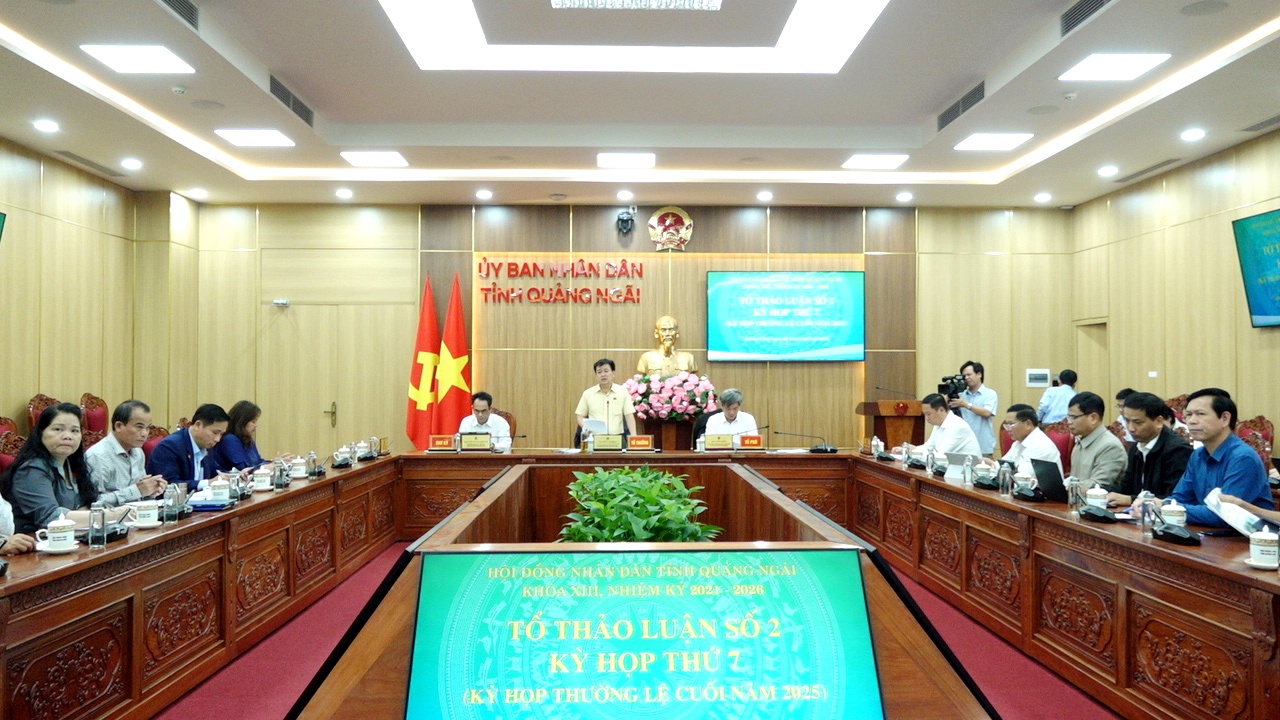
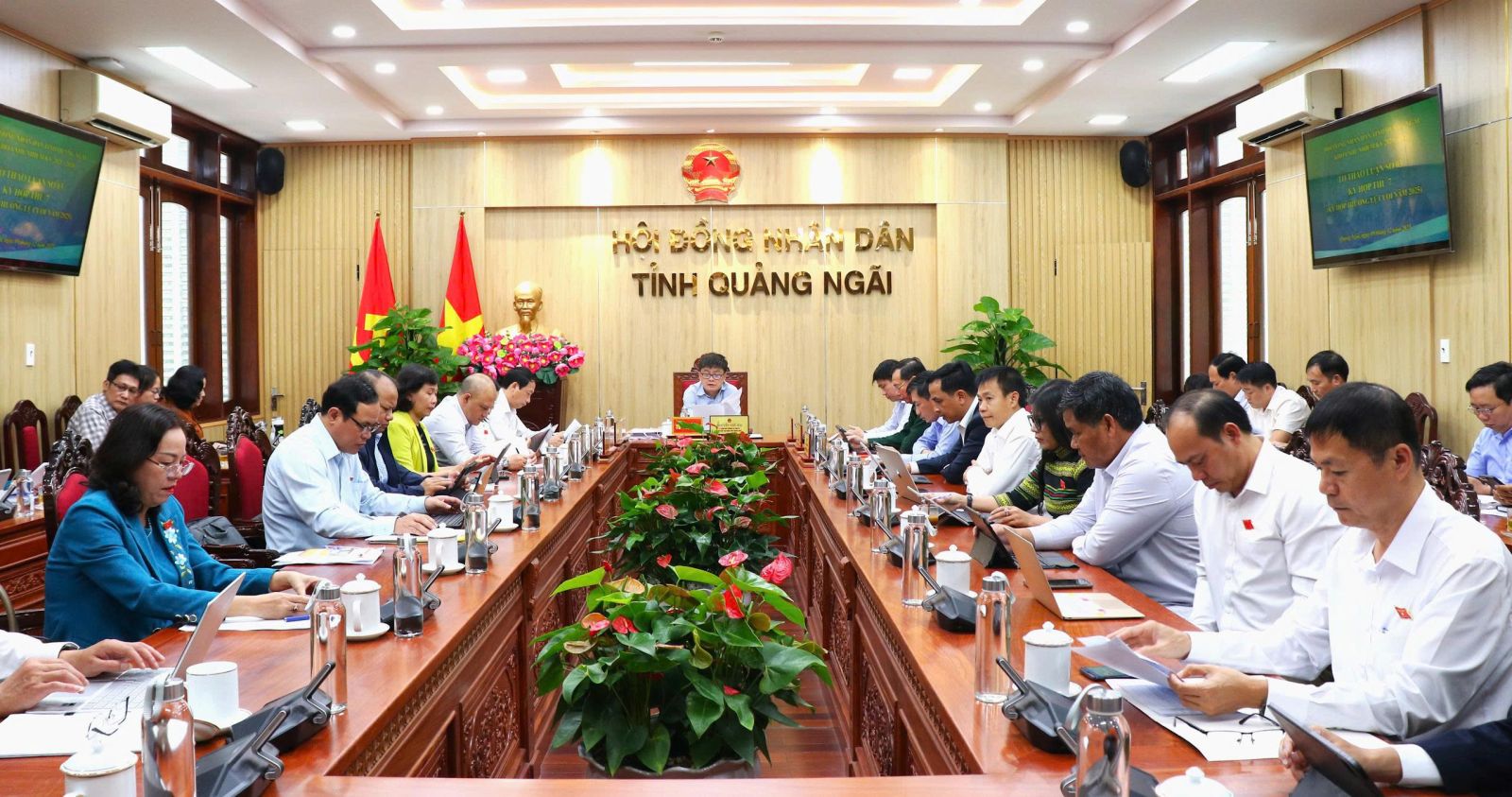
*Group 2, chaired by Permanent Vice Chairman of the PPC Nguyễn Cao Phúc, discussed advantages and challenges in socio-economic and defence-security tasks for 2025, as well as orientations for 2026–2030.
Vice Chairman of the Provincial People’s Committee Nguyễn Công Hoàng and leaders of provincial departments attended the session.
Delegate Trần Quang Tòa, Secretary of the Trương Quang Trọng Ward Party Committee, reported that 2025—the first year of administrative-unit consolidation and implementation of a two-tier government model—had produced positive results across sectors, thanks to central support, strong political unity and flexible governance.
He also highlighted shortcomings, including limited investment attraction, underdeveloped tourism sites, unsustainable community-based tourism, and a lack of distinctive tourism products.
The nighttime-economy model remained modest and insufficient to retain visitors.
Delegates proposed that in the 2026–2030 period, the province should prioritise developing specialised medical services, elderly hospitals and geriatric care centres; encourage high-quality private healthcare investment; and adopt policies to attract and retain skilled doctors.
Strengthened cooperation and technology transfer among medical institutions were also recommended to improve healthcare quality.
Group 3, chaired by PPC Vice Chairman Nguyễn Thế Hải, focused on socio-economic development, state-budget management in 2025, and tasks for 2026–2030.
The discussion was attended by Provincial Party Standing Committee members and leaders of relevant departments and units.
Delegate Trần Hoàn pointed out that current investment attraction remained below provincial potential.
He urged relevant agencies to reassess master planning, identify regional strengths and lay the groundwork for future resource mobilisation.
Regarding regional connectivity, Delegate Hoàng Anh Ngọc stressed the need for synchronised infrastructure investment and diversified funding sources.
He proposed continued upgrades to transport infrastructure to enhance inter-provincial trade and development links.
Delegates also emphasised the importance of effectively implementing national target programmes in remote and ethnic-minority areas to improve access to education, healthcare and cultural services.
Focusing on the development of medicinal plants, Delegate Y Hương proposed that the Provincial People’s Committee maintain the Ngọc Linh Ginseng Garden at the Revolutionary Base Area of the Provincial Party Committee, establish a centre for conservation and development of Ngọc Linh ginseng, and organise periodic markets to promote local medicinal products.
She also conveyed voters’ requests to repair and upgrade deteriorated provincial roads to ensure traffic safety.
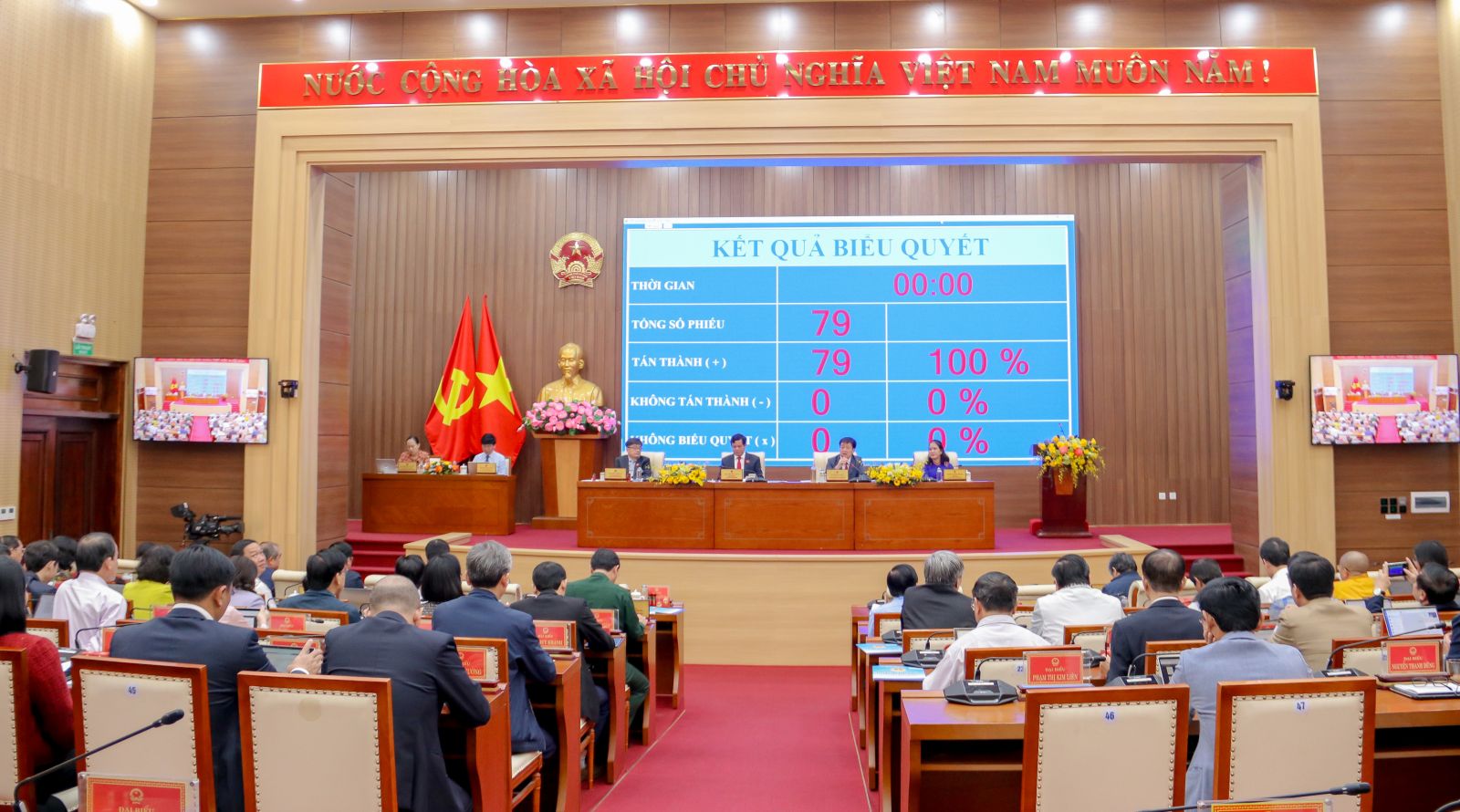
The results of the group discussions will serve as key inputs for the Provincial People’s Council as it deliberates and adopts major resolutions at the ongoing session.
M.H
.png)
.png)