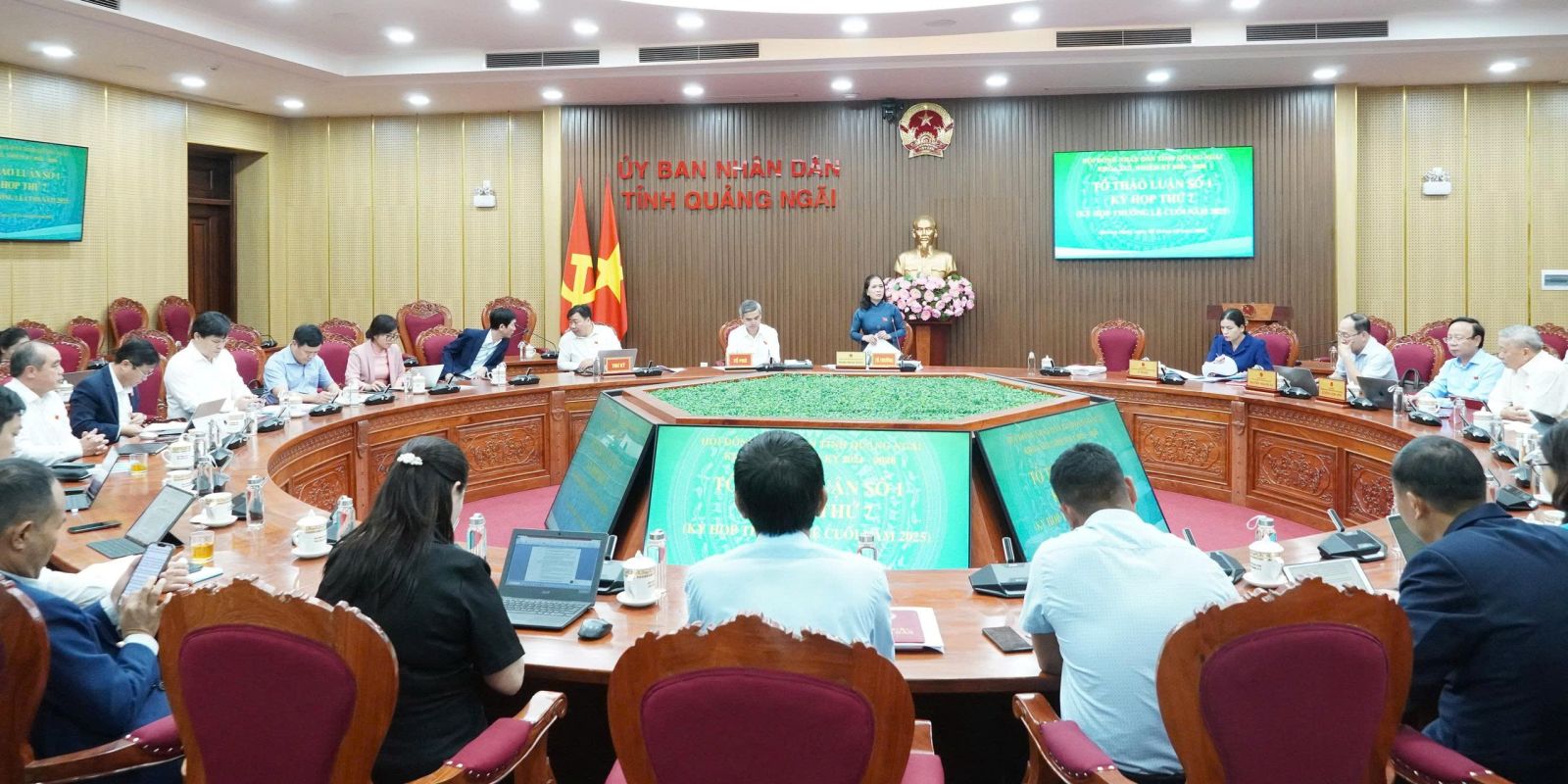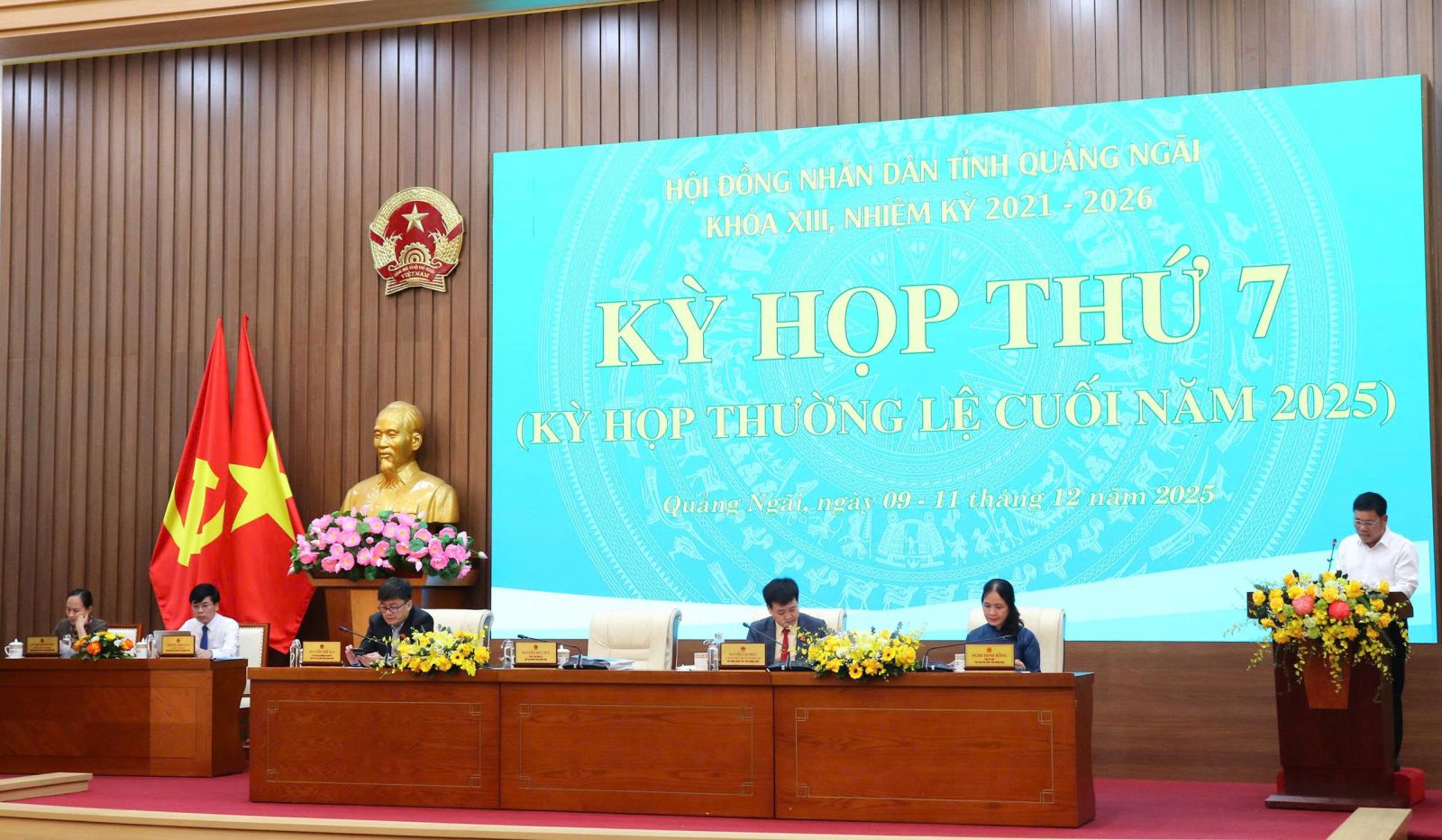


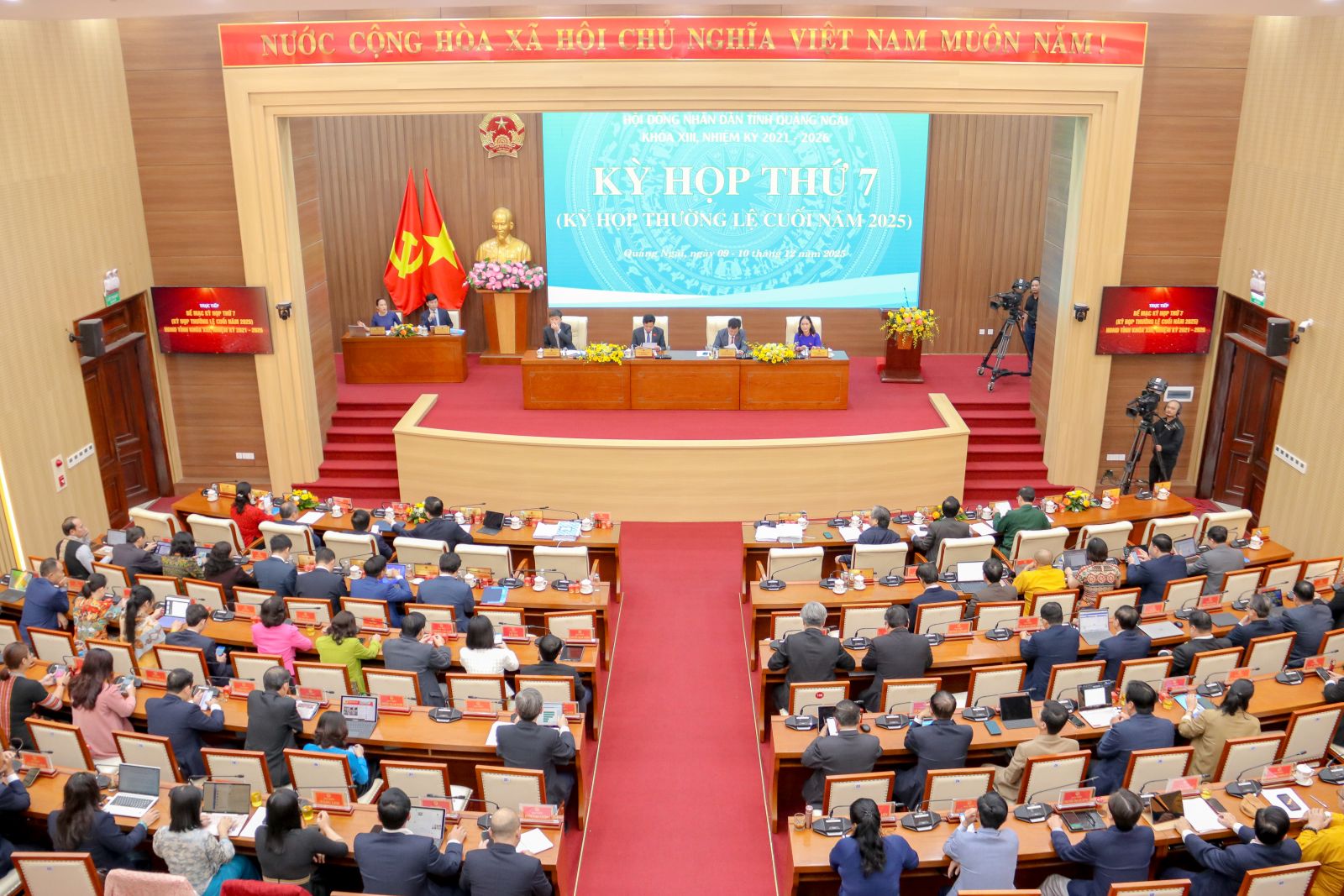
QUẢNG NGÃI — The 7ᵗʰ session of the 13ᵗʰ-tenure Provincial People’s Council concluded on December 10 after two days of serious, urgent and productive discussions chaired by Nguyễn Đức Tuy, Deputy Secretary of the Provincial Party Committee and Chairman of the Provincial People’s Council, together with Vice Chairpersons Nguyễn Cao Phúc, Nguyễn Thế Hải and Nghe Minh Hồng.
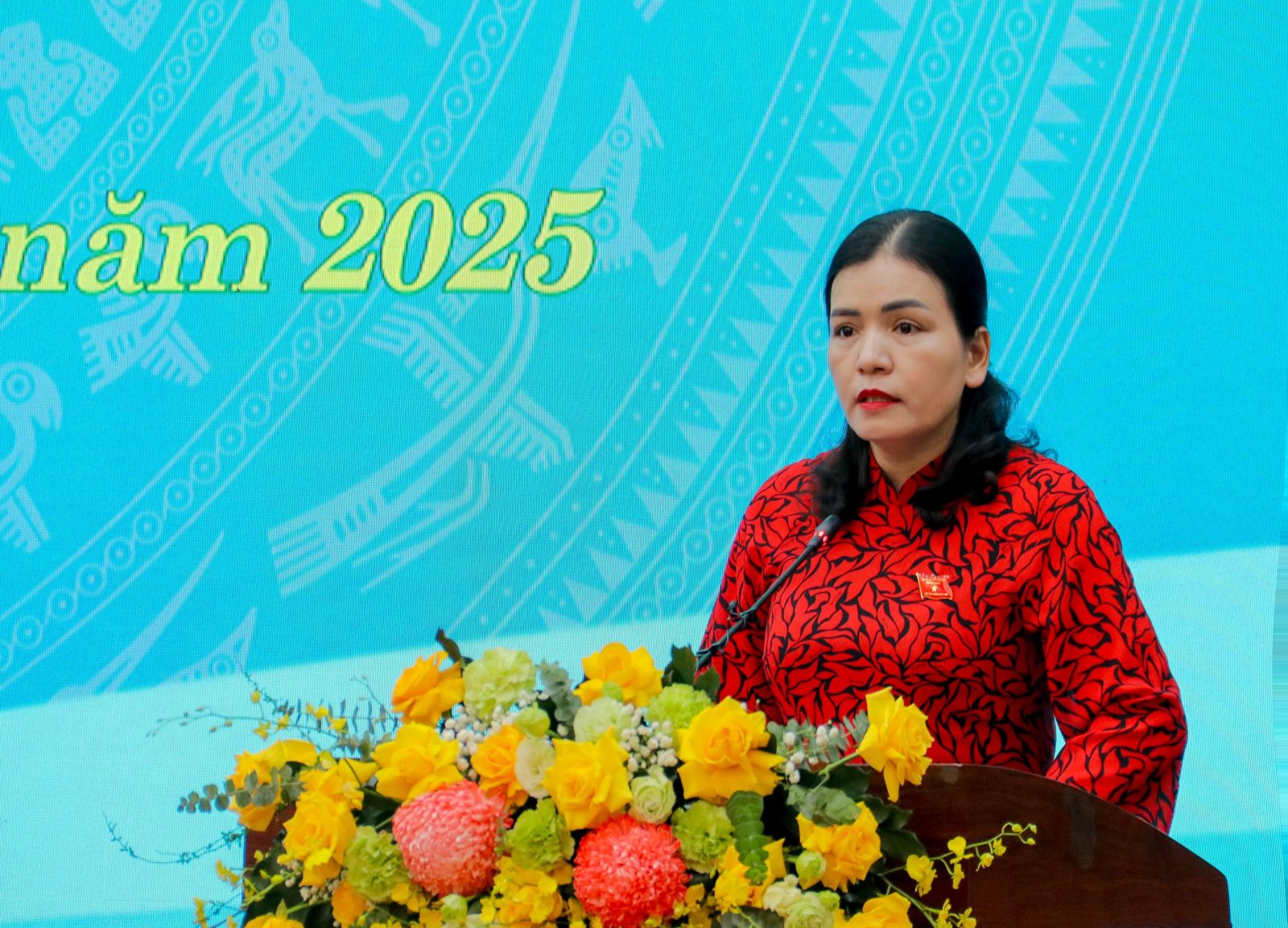
During the session, Standing Vice Chairwoman of the Provincial People’s Committee Y Ngọc presented reports addressing and clarifying comments raised by council deputies on the five-year socio-economic development plan for 2026–2030 and the provincial socio-economic development plan for 2026.
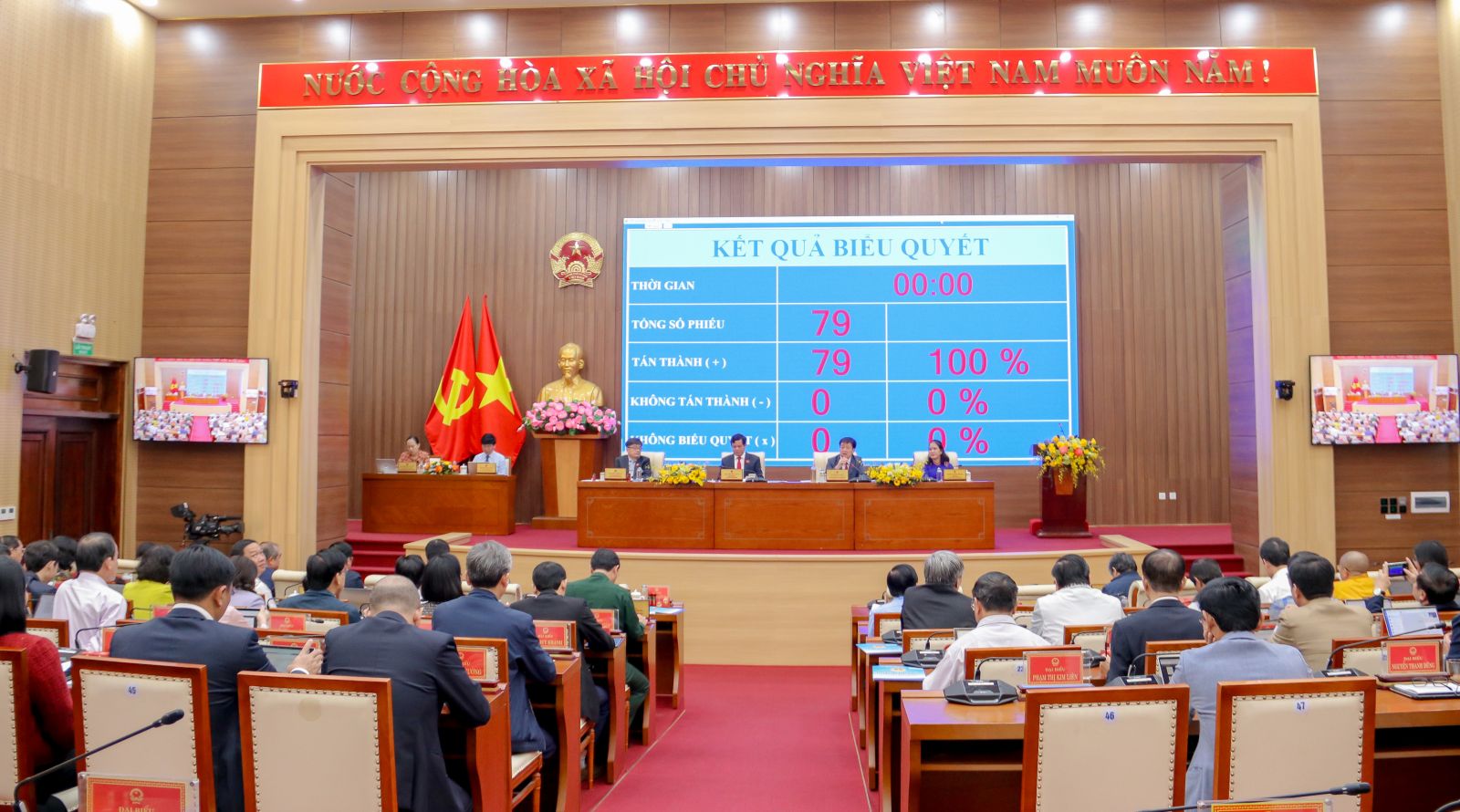
Delegates held discussions and voted to adopt resolutions on both the 2026–2030 five-year plan and the 2026 annual plan.
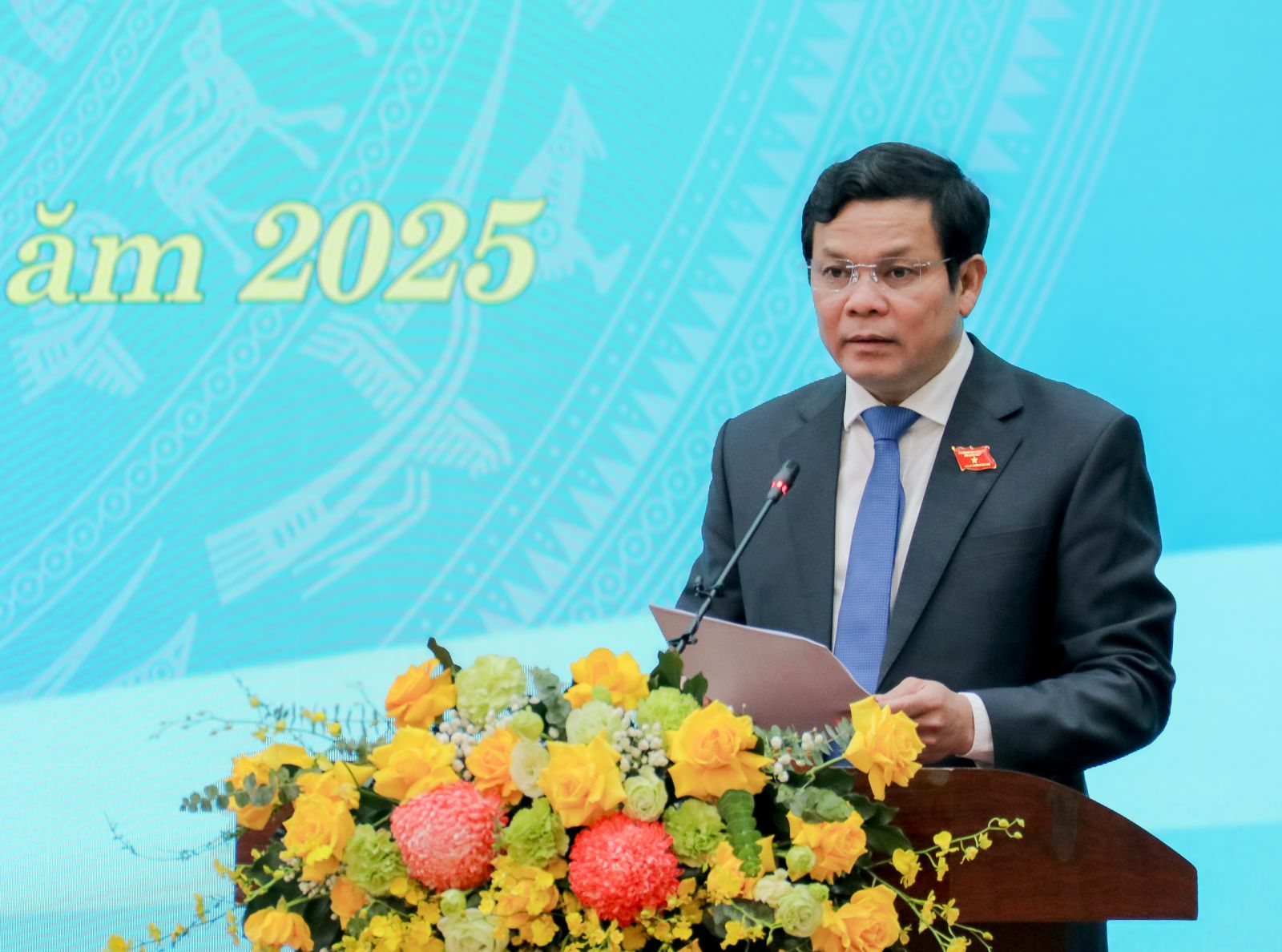
In his closing remarks, Chairman Tuy emphasised that the council examined reports and submissions from the Standing Committee of the Provincial People’s Council, the Provincial People’s Committee, the Việt Nam Fatherland Front Committee of the province, as well as other related documents.
These reports provided a comprehensive review of the socio-economic situation in 2025 and during the 2021–2025 period, analysed underlying causes and lessons learned, and proposed key tasks and solutions for 2026 and the 2026–2030 period.
The Provincial People’s Council deliberated and approved 30 important resolutions covering socio-economic development, finance and budgeting, public investment and other matters under its authority.
Chairman Tuy requested the Provincial People’s Committee, departments and localities to urgently address existing shortcomings and promptly implement the groups of solutions approved at the session, particularly those for the 2026–2030 period.
He urged flexible and proactive governance aligned with practical conditions, timely resolution of emerging issues, and effective enforcement of laws, policies and council resolutions.
Immediately following the session, he called on council delegations and deputies to work with the Provincial People’s Committee, the Việt Nam Fatherland Front Committee and socio-political organisations to widely disseminate the adopted resolutions to ensure they are quickly put into practice.
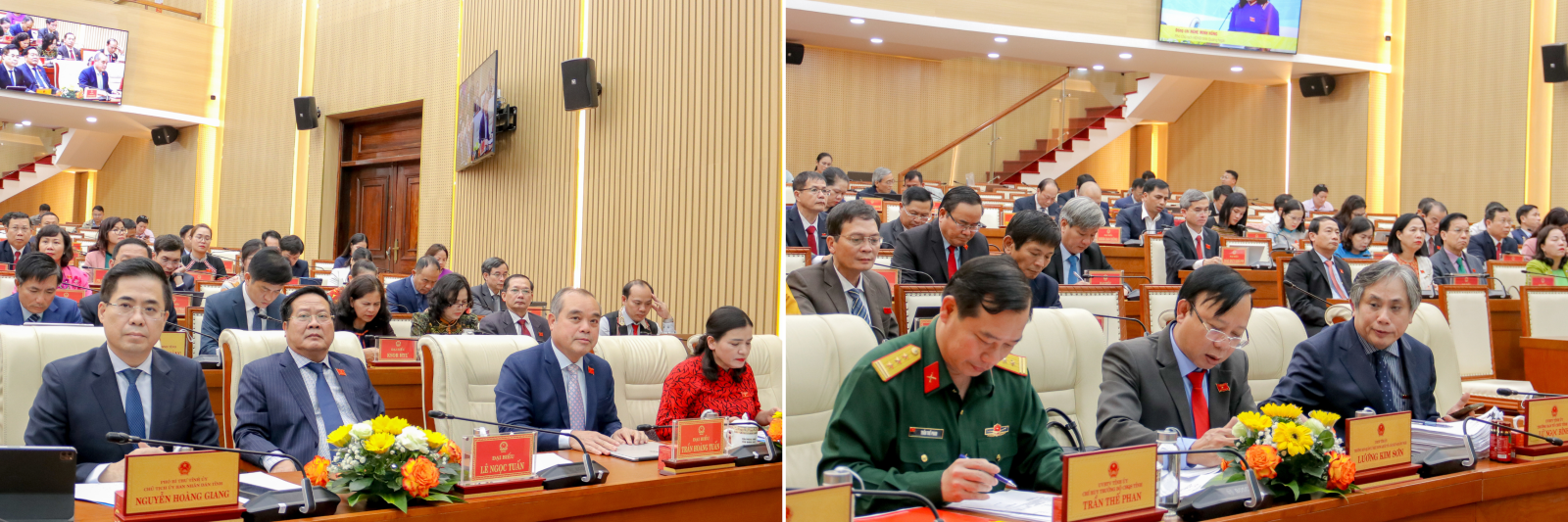
Deputies were also encouraged to continue listening to the legitimate concerns of citizens and strengthen oversight of the implementation of council resolutions, especially those directly related to people’s rights and interests.
Amid the ongoing restructuring of provincial-level administrative units, Tuy stressed that while the province benefits from new opportunities and development potential, it also faces major tasks—including synchronising policy implementation, planning, organisational restructuring, and addressing disparities in administrative boundaries, infrastructure connectivity and investment resources. These challenges, he said, require strong political determination and consistent, decisive action.
With effective use of new opportunities, strengthened discipline in governance and timely removal of bottlenecks, the chairman affirmed that Quảng Ngãi is well-positioned to overcome difficulties and achieve the targets set for 2026 and the 2026–2030 socio-economic development plan.
M.H
.png)
.png)